
- All
- Product Name
- Product Keyword
- Product Model
- Product Summary
- Product Description
- Multi Field Search

Views: 314 Author: Site Editor Publish Time: 2025-08-28 Origin: Site


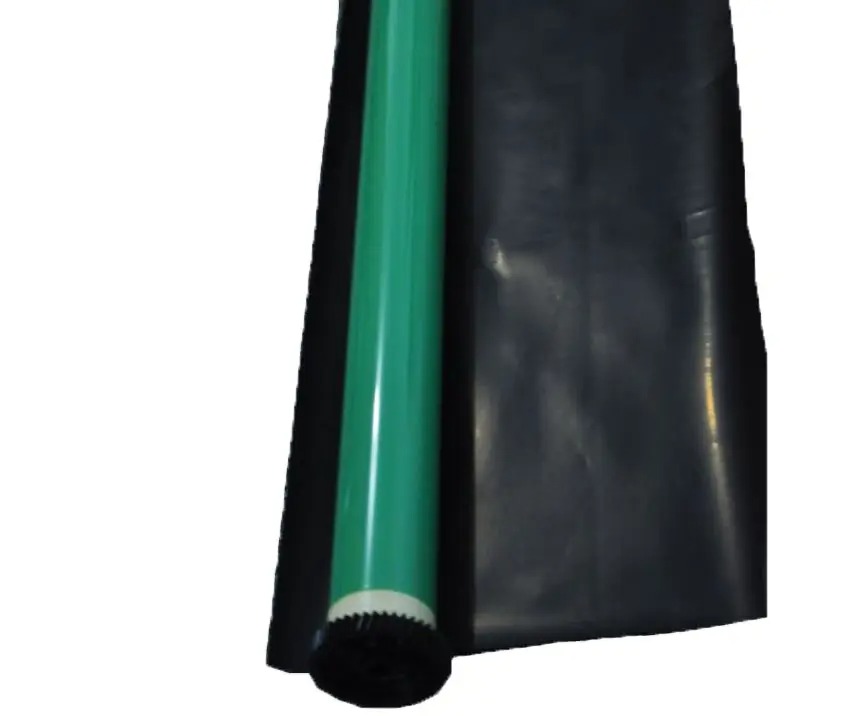
Carbon conductive film is a highly specialized polymer film that incorporates carbon black or other conductive fillers to achieve electrical conductivity while maintaining flexibility and durability. Unlike conventional plastic films, this material has a unique balance of electrical performance, mechanical stability, and lightweight structure. It is widely used across industries such as healthcare, electronics, energy storage, and electromagnetic shielding. In particular, its role in medical electrode products like ECG (electrocardiogram) pads, TENS (transcutaneous electrical nerve stimulation) electrodes, and EMS (electrical muscle stimulation) fitness patches makes it a critical material for modern medical and therapeutic technology.
In the context of healthcare, medical electrodes require consistent conductivity to transmit bioelectrical signals accurately. Carbon conductive film provides a stable interface between the skin and the monitoring device, allowing for precise measurement of heart activity in ECGs or controlled electrical stimulation in physiotherapy devices. Outside of medical fields, the same film is used in electromagnetic shielding applications to block unwanted interference, in heating elements where stable resistive heating is necessary, and in energy battery electrodes where efficient charge transfer improves battery performance.
Because of its versatility, questions often arise about whether carbon conductive film may cause interference with medical devices or compromise patient safety. The answer depends on understanding how the film interacts with electrical systems, shielding environments, and sensitive monitoring equipment. With proper design and testing, carbon conductive film not only avoids interference but often enhances device stability by reducing external noise and improving signal clarity.
The core concern for medical professionals and patients is whether carbon conductive film could potentially disrupt the safe and accurate function of critical devices such as ECG monitors, TENS therapy units, or implantable medical electronics. Interference in medical environments generally comes from electromagnetic fields, static discharge, or poorly shielded electrical connections.
Fortunately, carbon conductive film is engineered to mitigate rather than increase interference risks. Because of its ability to dissipate static charges and reduce electromagnetic noise, the film often acts as a stabilizer in medical systems. For example, in an ECG electrode, the carbon film ensures that faint bioelectrical signals from the heart are transmitted cleanly without being drowned out by ambient electronic noise. Similarly, in EMS or TENS devices, the film ensures even distribution of current to the skin, reducing the risk of hot spots or inaccurate signal delivery.
Medical-grade films are subject to strict regulatory testing, ensuring that their conductivity levels, impedance, and interaction with surrounding electronics remain within safe parameters. The risk of interference usually arises not from the film itself, but from improper device design, poor grounding, or overlapping signals in complex environments like hospitals. When used correctly, carbon conductive film supports device safety rather than undermines it.
To summarize: No, carbon conductive film does not interfere with medical devices when properly integrated. Instead, it enhances performance by stabilizing signals and reducing external noise.

One of the most significant contributions of carbon conductive film is in medical and physiotherapy devices. Let’s break down its primary applications:
ECG (Electrocardiogram) Electrodes
Carbon conductive film ensures accurate detection of heart electrical activity by providing a stable interface between skin and sensor. Its conductivity helps in capturing faint bio-signals without distortion.
TENS (Transcutaneous Electrical Nerve Stimulation) Electrodes
Used for pain management, these electrodes rely on carbon conductive films to deliver consistent electrical pulses to nerve endings, ensuring therapeutic efficiency.
EMS (Electrical Muscle Stimulation) Fitness and Physiotherapy Electrodes
In both medical rehabilitation and fitness training, carbon conductive film distributes electrical signals evenly, supporting muscle stimulation without causing skin irritation.
Electromagnetic Shielding
Hospitals and clinics are filled with sensitive electronic instruments. Carbon conductive film provides an effective layer of shielding, reducing cross-interference between medical devices.
Heating Elements in Rehabilitation
Conductive films are also used in therapeutic heating pads. Their resistive properties allow precise and uniform heating, aiding in pain relief and muscle recovery.
Battery Electrodes for Medical Equipment
Many portable medical devices depend on batteries. Carbon conductive films serve as part of advanced electrode structures, improving battery life and reliability.
These examples illustrate that instead of being a source of interference, the film enables a wide range of medical innovations that demand reliability, safety, and patient comfort.
| Application Area | Role of Carbon Conductive Film | Key Benefits |
|---|---|---|
| ECG Electrodes | Conducts weak bio-signals | Accurate heart monitoring |
| TENS Electrodes | Distributes current evenly | Safe pain relief |
| EMS Physiotherapy | Provides stable muscle stimulation | Effective rehabilitation |
| Electromagnetic Shielding | Blocks external interference | Protects sensitive equipment |
| Heating Pads | Enables controlled resistive heating | Consistent therapy results |
| Battery Electrodes | Enhances charge transfer | Longer device life |
The integration of carbon conductive film into medical devices is governed by international safety standards and biocompatibility requirements. For instance, ISO and IEC regulations set guidelines for medical electrical equipment, ensuring that materials do not emit harmful electromagnetic interference and are safe for skin contact. Carbon conductive films designed for electrodes undergo skin sensitivity testing, ensuring they do not cause allergic reactions or burns even under prolonged use.
Another safety factor lies in the impedance level of the film. Proper impedance ensures that electrical signals pass efficiently without introducing resistance that could distort readings. Manufacturers also conduct electromagnetic compatibility (EMC) testing to guarantee that devices using carbon conductive film do not interfere with pacemakers, defibrillators, or other life-critical equipment.
When combined with proper device grounding and shielding techniques, carbon conductive film actually enhances the safe functioning of medical devices in high-tech hospital environments. This makes it a trusted material in patient monitoring, therapy, and rehabilitation systems worldwide.
Q1: Can carbon conductive film interfere with ECG monitoring?
No. When used correctly, carbon conductive film enhances ECG accuracy by stabilizing bio-signal transmission and reducing external noise.
Q2: Is carbon conductive film safe for skin contact in electrodes?
Yes. Medical-grade carbon conductive films are biocompatible and tested to prevent irritation, making them safe for prolonged skin contact.
Q3: Does the film generate electromagnetic interference on its own?
No. The material itself does not emit interference; instead, it often shields devices from surrounding electromagnetic noise.
Q4: Can it be used in portable medical batteries?
Yes. Carbon conductive film improves charge transfer and stability in energy storage systems, supporting portable medical devices.
Q5: How does it compare to metallic conductive materials?
Unlike metals, carbon films offer flexibility, lightweight properties, corrosion resistance, and consistent conductivity over time, making them ideal for wearable and disposable electrodes.
The question of whether carbon conductive film interferes with medical devices can be answered with confidence: it does not create interference when applied correctly. On the contrary, it plays a vital role in ensuring accurate signal detection, safe electrical stimulation, effective shielding, and reliable power management. Its integration into ECG electrodes, TENS and EMS therapy pads, heating elements, and energy storage systems highlights its importance in modern medical technology.
With ongoing advancements in material science, carbon conductive films will continue to expand their applications, supporting innovations in patient care, diagnostics, and therapeutic devices. By enhancing stability and safety, this versatile material proves itself to be not only compatible with medical devices but essential for their reliable performance.
