
- All
- Product Name
- Product Keyword
- Product Model
- Product Summary
- Product Description
- Multi Field Search

Views: 0 Author: Site Editor Publish Time: 2026-03-10 Origin: Site


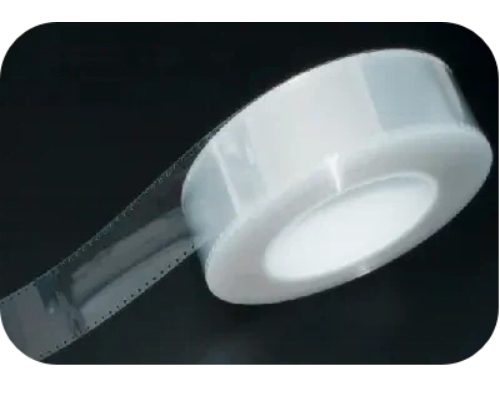
Leader tape is an essential tool used in various manufacturing industries to guide materials smoothly through production lines. It ensures that components are aligned correctly, reducing the risk of errors and enhancing the efficiency of automated systems. In this article, we will walk you through the process of attaching leader tape, providing step-by-step instructions, preparation tips, and other important information to help you achieve a seamless attachment.
Leader tape refers to a specialized type of tape used in manufacturing systems to guide materials—typically components or parts—through automated machinery. It ensures smooth, accurate feeding of materials, preventing misalignment or jams that can disrupt production. Leader tape is a crucial element in industries such as semiconductor manufacturing, electronics assembly, and medical devices, where high precision is required to ensure the correct operation of production lines.
Leader tape typically comes in various materials such as Polyimide (PI), Polyetherimide (PEI), and Polyethylene Terephthalate (PET), each of which has specific characteristics suited for different applications. For example, PI leader tape is preferred for high-temperature environments, while ESD-safe PET tapes are ideal for static-sensitive electronic components.
Leader tape is widely used in multiple industries, where its role in feeding and guiding materials through production lines is indispensable:
Semiconductor Manufacturing: Leader tape helps feed semiconductor wafers and chips through automated testing and packaging processes.
Electronics Assembly: Essential for feeding components into pick-and-place machines on assembly lines.
Medical Devices: Ensures safe handling and guiding of small components used in medical equipment manufacturing.
Leader tape is critical to maintaining high production standards and ensuring that materials are handled with the care and precision required in sensitive industries.
Before you begin attaching leader tape, it is essential to properly prepare both the materials and the tools. Proper preparation ensures that the leader tape adheres well and functions as expected during the production process. Below are the preparatory steps to follow:
Before attaching leader tape, inspect both the leader tape and the surface where it will be applied. This ensures that both components are in optimal condition to perform the required tasks. The following checks should be performed:
Check for Tape Quality: Inspect the leader tape for any defects, such as wrinkles, tears, or contamination that could affect its adhesive properties. If the tape is damaged, replace it before applying.
Verify Compatibility with Materials: The surface to which the tape will be applied must be compatible with the adhesive used. Ensure the material (e.g., semiconductor wafer, circuit board) is clean, smooth, and in proper condition for the tape to adhere effectively.
Selecting the right type of leader tape is critical to achieving successful application and performance. The materials used to make leader tape vary based on the requirements of the production process, including heat resistance, flexibility, and static protection. Here’s a closer look at the factors to consider when choosing the right leader tape:
Factor | Description |
Material Type | Choose between PI, PEI, or PET based on heat resistance, flexibility, and static protection needs. |
Thickness | The tape’s thickness should be chosen based on the component size and the environment in which it will be used. |
Temperature Resistance | Ensure the tape can withstand the temperature conditions of your production process without degrading. |
Adhesion Strength | The tape must adhere securely to the surface without peeling off or leaving any residue. |
Choosing the right leader tape will help ensure smooth production and prevent any operational issues that could arise from the use of an unsuitable tape.
Cleaning the surface to which the leader tape will be applied is a critical step. Any dust, oil, or contaminants on the surface can interfere with the tape's ability to adhere properly, leading to problems during production. Use an appropriate solvent or cleaning agent to remove any residues or contaminants from the material. For example, in electronics manufacturing, using an ESD-safe cleaning solution is recommended to avoid damaging sensitive components. Once the surface is clean, allow it to dry completely before proceeding with the attachment of the leader tape.

Now that the materials and surfaces are prepared, let's go through the steps for attaching leader tape. Following these steps ensures that the tape is applied correctly, leading to optimal performance in your production line.
Accurately measuring and cutting the leader tape to the correct length is the first step in the attachment process. Here's how to proceed:
Measure the Required Length: The length of leader tape needed will depend on the size of the components, the specific application, and the production line configuration. Make sure to measure carefully to avoid unnecessary waste or misalignment.
Cutting the Tape: Use a clean and sharp cutting tool to cut the leader tape. Ensure that the cut is straight and clean, as any jagged edges can cause problems during feeding or misalignment in the system. A precise cut ensures that the tape will perform optimally and feed smoothly through the production line.
Proper alignment is crucial to ensure that the leader tape guides the components accurately through the machine. Follow these steps for precise alignment:
Position the Tape: Carefully position the leader tape along the material or component, ensuring it is aligned in the right direction for the production process. The tape should be placed in such a way that it guides the material without causing strain or misalignment.
Check the Orientation: Some production lines may require the leader tape to be oriented in a specific direction. Double-check that the tape is aligned according to the machine's requirements. This is particularly important in automatic systems where precise feeding is essential.
Once the tape is aligned, it needs to be securely attached to the material. There are two main methods of attaching leader tape, depending on the type of tape and production process:
Adhesive Application: Most leader tapes come with an adhesive backing. Press the tape firmly onto the material, ensuring that it sticks evenly across its length. Avoid creating air bubbles or wrinkles during application, as these can interfere with the tape's function.
Mechanical Fittings: In some cases, leader tape is attached using mechanical fittings or clips. These fittings ensure that the tape stays securely in place without relying on adhesive. This method is useful in environments where adhesive might be compromised by temperature or other factors.
After securing the tape, smooth it down to ensure it adheres fully, making sure the surface is free of wrinkles or gaps.
After attaching the leader tape, it’s essential to perform a quick test to ensure the tape is properly applied and functioning as expected. Here’s how to test the attachment:
Smooth Feeding: Run the material through the production line to ensure that the leader tape guides the component smoothly. There should be no resistance, and the tape should feed the material without any hesitation.
Proper Alignment: Double-check that the tape keeps the material properly aligned, without causing it to skew or become misaligned during the process.
Secure Attachment: Inspect the tape to ensure that it is securely attached to the material and does not peel off or shift during operation. If any issues are found, reattach or adjust the tape as necessary.
To further improve the attachment process and ensure the leader tape performs optimally throughout production, consider the following tips:
Use Proper Tools: Always use high-quality cutting tools to ensure a precise cut. This reduces the risk of frayed edges, which could affect the tape's functionality.
Adhere to Manufacturer Guidelines: Every type of leader tape may have specific application instructions provided by the manufacturer. Following these guidelines will help you achieve the best results.
Regular Checks and Maintenance: During production, it’s important to periodically check the leader tape for wear or damage. Regular maintenance ensures that the tape continues to perform well and prevents issues from arising during operation.
Leader tape is a vital component in modern manufacturing, ensuring that materials are fed accurately and efficiently through production lines. By following the proper steps for attaching leader tape, manufacturers can optimize their production processes, minimizing errors and boosting overall productivity. Whether you are working with semiconductor components, electronic devices, or medical equipment, applying leader tape correctly is essential to maintaining high-quality standards.
At HAOUGER, we specialize in providing top-quality leader tape solutions designed to meet the specific needs of your manufacturing processes. Our products are tailored to improve efficiency, precision, and reliability across various industries. If you're looking to enhance your production line or have any specific requirements, our team is here to help. Feel free to reach out to us for expert advice, customized solutions, and to learn more about how our leader tape can elevate your manufacturing standards. Let us support you in achieving smoother, more efficient production.
Q1: What materials are leader tapes made of?
Leader tapes are made from materials such as Polyimide (PI), Polyetherimide (PEI), Polyethylene Terephthalate (PET), and ESD-safe materials, each designed for different manufacturing environments like high temperatures or static-sensitive applications.
Q2: How do I know the right length of leader tape to use?
The correct length of leader tape depends on the component size and the requirements of the production line. Always measure the distance the tape needs to cover and add extra length for safe handling.
Q3: Is it necessary to clean the surfaces before applying leader tape?
Yes, cleaning the surfaces ensures that the leader tape adheres properly. Any dust, oil, or residues can affect the tape's adhesive properties and lead to a poor attachment.
Q4: How can I check if the leader tape is securely attached?
After applying the leader tape, perform a simple test by running the material through the system. The tape should guide the material smoothly without slipping or peeling off.
