
- All
- Product Name
- Product Keyword
- Product Model
- Product Summary
- Product Description
- Multi Field Search

Views: 0 Author: Site Editor Publish Time: 2026-03-05 Origin: Site


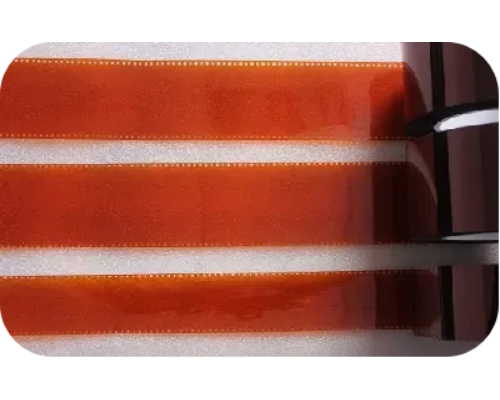
Leader tape is a crucial component used across various industries, especially in manufacturing and electronics. It helps streamline production by guiding materials and components into automated systems. In this article, we’ll explore what leader tape is, its various applications, and why it is so vital in modern manufacturing processes. Understanding its function and uses is essential for improving productivity, reducing errors, and enhancing efficiency in automated production lines.
Leader tape refers to a specialized type of tape designed to guide materials—often small components or parts—through automated machinery in manufacturing processes. It is especially essential in environments where precision and accuracy are required, such as in electronics manufacturing, semiconductor packaging, and other high-tech industries. Leader tape ensures that materials are fed into production lines without tangling or causing jams, which could otherwise lead to costly delays and errors.
Leader tape is manufactured using various materials, each chosen for its unique properties, such as durability, resistance to heat, static protection, and flexibility. The material selection is crucial because the tape must perform well under specific conditions, like high temperatures or electrostatic environments. Here are the primary materials used:
Polyimide (PI): Known for its excellent temperature resistance, PI leader tape is ideal for high-heat environments, such as those found in semiconductor packaging and soldering processes. PI tapes are highly durable and can withstand temperatures that would damage other materials.
Polyetherimide (PEI): This material offers high thermal stability, making it a preferred choice for environments where heat resistance and mechanical strength are required. PEI leader tapes are often used in electronics manufacturing for component handling and feeding.
Polyethylene Terephthalate (PET): PET leader tapes are known for their flexibility and durability. They are often used in production lines where the tape needs to endure long cycles without breaking. PET is also valued for its transparency, which can be beneficial in monitoring the feeding process.
Electrostatic Discharge (ESD) Safe Materials: Some leader tapes are specifically designed to protect sensitive electronic components from electrostatic discharge (ESD). These tapes are crucial in industries where static damage can cause malfunctions or product failure.
The choice of material depends on factors like temperature tolerance, static sensitivity, and mechanical strength requirements.
Leader tape is a vital part of the manufacturing process in several industries. Below are the key uses of leader tape:
In the semiconductor industry, leader tape is critical for packaging chips, particularly during the automated feeding process. As semiconductor manufacturing requires a high degree of precision, leader tape ensures that each chip is fed into packaging machines accurately, reducing the risk of errors.
Chip Feeding: Leader tape plays a key role in guiding semiconductor chips through automated systems. It prevents chips from slipping or misaligning as they are processed by machines. This is especially important in environments like semiconductor production, where even the smallest mistake can result in product failure.
Automation: By using leader tape, manufacturers can automate the feeding of components, which improves speed and reduces reliance on manual labor. This not only enhances productivity but also ensures greater consistency and fewer defects during production.
In electronics manufacturing, leader tape is essential for feeding tiny components into automated systems, such as those used in surface-mount technology (SMT) or other component placement techniques. These production lines often handle components that are fragile or extremely small, so the accuracy of the feeding process is critical.
Component Alignment: Leader tape ensures that components are properly aligned as they are fed into assembly machines. This prevents misplacement or errors during assembly, which could lead to defective products.
Packaging and Protection: In addition to guiding components through automated systems, leader tape is also used to package and protect sensitive components during shipping. This helps prevent damage to the components from physical shock, humidity, or static.
Leader tape is also used in automatic placement systems where it ensures the correct feeding and positioning of components on printed circuit boards (PCBs) or other substrates. These systems are commonly used in industries like consumer electronics, where high-speed production and precise assembly are essential.
Automated Feeding: Leader tape is integral to the smooth functioning of automated placement machines. It guides components one at a time to ensure they are placed correctly on the PCB. This process is fully automated, ensuring that large quantities of components can be assembled with minimal human intervention.
Leader tape is used in a variety of industries beyond just semiconductors and electronics. Its ability to streamline production processes makes it valuable in numerous other sectors.
In the telecommunication and consumer electronics sectors, leader tape is used to handle and package the delicate components that go into devices like smartphones, tablets, and televisions. It ensures these tiny, sensitive parts are fed into production lines with precision.
Telecommunication Equipment: For devices like mobile phones and communication equipment, leader tape ensures the proper alignment and feeding of components like microchips, antennas, and sensors. This is essential to keep the production process running smoothly and reduce errors.
Consumer Electronics: Leader tape is equally important in the manufacturing of consumer electronics, including televisions, computers, and home appliances. It aids in feeding small components into machines that will assemble the final product, maintaining efficiency and accuracy throughout the process.
The medical device industry also benefits from the use of leader tape. These devices often contain intricate, tiny components that must be assembled in a specific order. Leader tape ensures that all components are fed accurately and remain undamaged during production.
Component Protection: Leader tape helps to ensure that medical device components, such as sensors, small wires, and microchips, are safely handled throughout the production process. This protection is critical, as any damage could result in equipment malfunction or safety concerns.
Safe Transportation: Once medical devices are assembled, leader tape can be used in packaging to protect components during transportation. This ensures that sensitive equipment is delivered in optimal condition.
Although leader tape is most commonly associated with the semiconductor and electronics industries, it is also used in a variety of other sectors.
Automotive Manufacturing: Leader tape is used in the automotive industry to feed components into automated assembly lines. Components like sensors, connectors, and microchips are often fed into these lines using leader tape.
Aerospace: The aerospace industry uses leader tape to guide components during the assembly of aircraft and spacecraft. It is particularly useful for feeding small, delicate parts like fasteners, wiring, and sensors.

Leader tape plays a significant role in modern manufacturing by ensuring that materials and components are fed accurately through production lines. Without leader tape, many automated systems would struggle to function effectively, leading to errors, delays, and inefficiencies.
Leader tape improves the efficiency of manufacturing systems by allowing for the automated feeding of components. This reduces the need for manual labor and enables production lines to run continuously without interruption. With leader tape, production can proceed at a faster pace, improving overall throughput and product output.
Accuracy is critical in manufacturing, especially when dealing with small or delicate components. Leader tape ensures that components are fed precisely into machines, reducing the risk of misalignment or errors that could lead to defective products. This is particularly important in industries like semiconductor manufacturing, where even the smallest error can result in a failed product.
Manufacturing processes that use leader tape are more reliable because the tape ensures that materials are fed correctly into machines. This consistency helps to prevent production delays, minimize waste, and improve the overall quality of the product. As a result, manufacturers can rely on leader tape to maintain high production standards.
Selecting the right leader tape for a specific application depends on several factors, including the materials being processed, the temperature conditions, and the type of machinery being used. Below is a guide to help you choose the right leader tape for your needs.
Factor | Description |
Material | Choose the material based on heat resistance, flexibility, and static protection needs. |
Thickness | The thickness of leader tape affects its durability and performance in different conditions. |
Environmental Conditions | Consider the temperature, humidity, and static conditions in your manufacturing environment. |
Static Protection | Ensure the leader tape is ESD-safe if you're working with sensitive electronic components. |
High-Temperature Environments: If your production process involves high temperatures, choose a leader tape made from heat-resistant materials like PI or PEI.
ESD-Sensitive Components: For electronics and medical devices, select leader tapes that offer electrostatic discharge protection to safeguard sensitive components.
Material Compatibility: Ensure the leader tape material is compatible with the specific components being processed to avoid damage and inefficiency.
Leader tape is an essential tool in modern manufacturing, ensuring materials are fed seamlessly and accurately through production lines. It plays a vital role in industries such as semiconductor manufacturing, electronics, medical devices, and more. By choosing the right leader tape for your specific needs, you can significantly improve the efficiency, precision, and reliability of your production processes. This not only boosts productivity but also enhances product quality, helping you stay competitive in today’s fast-paced market.
At HAOUGER, we specialize in providing high-quality leader tapes tailored to meet the unique demands of various industries. Our solutions are designed to optimize your production lines, reduce errors, and ensure smooth operation from start to finish. If you’re looking to improve your manufacturing process, we invite you to explore our range of products and connect with our team for expert guidance and customized solutions. Let us help you take your production to the next level with our reliable leader tape solutions.
Q1: What materials are leader tapes made of?
Leader tapes are typically made from materials like PI, PEI, PET, and ESD-safe materials, each suited to different manufacturing requirements such as temperature resistance and static protection.
Q2: How does leader tape help in the chip packaging process?
Leader tape guides semiconductor chips through automated systems during the packaging process, ensuring they are accurately fed into machines for testing, placement, and packaging.
Q3: Can leader tape be used in all electronic manufacturing processes?
Yes, leader tape is versatile and is used in various electronic manufacturing processes, particularly those that involve automated component feeding and precise placement.
Q4: What industries benefit most from using leader tape?
Industries such as semiconductor manufacturing, electronics assembly, medical device production, telecommunications, and aerospace all benefit from the use of leader tape in their production lines.
