
- All
- Product Name
- Product Keyword
- Product Model
- Product Summary
- Product Description
- Multi Field Search

Views: 0 Author: Site Editor Publish Time: 2026-03-12 Origin: Site


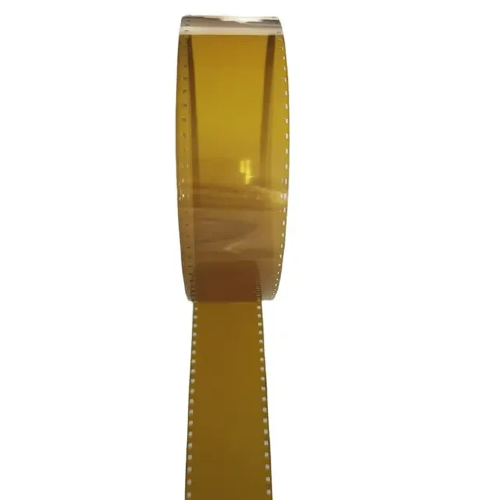
Leader tape plays a crucial role in modern manufacturing processes, especially in industries like semiconductor, electronics, and medical device manufacturing. It ensures that materials such as semiconductor wafers, components, and medical equipment are fed smoothly and accurately through automated production lines. Choosing the right leader tape is essential for maintaining production efficiency and minimizing errors. In this article, we will discuss the key features to consider when selecting leader tape to help you make an informed decision for your specific needs.
The first key feature to consider when choosing leader tape is the material composition. Leader tapes are made from a variety of materials, each designed to meet specific requirements of different production environments. The material of the leader tape determines its strength, flexibility, temperature resistance, and compatibility with various surfaces.
Polyimide (PI): Known for its excellent thermal resistance and mechanical strength, Polyimide is ideal for high-temperature environments like semiconductor manufacturing. It is commonly used in applications requiring resistance to heat, chemicals, and mechanical stress.
Polyetherimide (PEI): PEI leader tapes offer outstanding mechanical properties, high-temperature resistance, and are often used in electronics manufacturing, especially in applications where durability is essential.
Polyethylene Terephthalate (PET): PET leader tapes are versatile, offering flexibility and durability. They are often used in applications that require transparency or where moderate temperature resistance is sufficient.
ESD-Safe Materials: For sensitive electronic components, leader tapes made from ESD-safe materials are essential. These materials prevent electrostatic discharge (ESD) from damaging fragile electronic parts during handling and transportation.
The material you choose should be aligned with the specific conditions of your production line. For example, in a high-temperature environment, Polyimide (PI) would be an ideal choice due to its heat resistance, while PET is preferred in static-sensitive environments due to its ESD protection.
Temperature resistance is one of the most critical factors when selecting leader tape. In certain manufacturing processes, such as semiconductor packaging or soldering, temperatures can reach high levels that could damage tape not designed to withstand heat.
Different leader tapes offer varying levels of temperature resistance. Understanding the temperature conditions of your manufacturing process is essential to selecting the correct tape:
Material Type | Temperature Resistance | Ideal Applications |
Polyimide (PI) | Up to 300°C | Semiconductor packaging, high-heat processes |
Polyetherimide (PEI) | Up to 200°C | Electronics manufacturing, automotive assembly |
Polyethylene Terephthalate (PET) | Up to 130°C | Low-heat environments, static-sensitive electronics |
ESD-Safe PET | Up to 150°C | ESD-sensitive environments in electronics |
For high-temperature applications, PI leader tape is often the best choice due to its ability to withstand extreme conditions without degrading. PEI leader tapes are another excellent option for environments requiring thermal stability, while PET is suited for more moderate temperature ranges.
The adhesion strength of the leader tape is another crucial factor. If the tape doesn’t stick well to the material, it could cause misalignment or failure in the feeding process, leading to downtime and costly errors.
Leader tape must adhere securely to the material it is guiding. Insufficient adhesion may result in the tape slipping, peeling, or coming loose during the production process, which could disrupt the entire system. On the other hand, excessive adhesion could make removal difficult or damage the material.
Strong Adhesion: This is required in environments where leader tapes are subjected to high speeds and mechanical stress. Strong adhesion ensures that the tape stays in place and guides the materials properly.
Moderate Adhesion: In some cases, leader tapes with moderate adhesion are used where the material is delicate or the tape is required to be removed without leaving residue.
Surface Type: The surface of the material being fed through the production line affects how well the tape adheres. Smooth surfaces typically require tapes with stronger adhesion, while rough or textured surfaces may need a more moderate adhesive.
Environmental Conditions: Humidity, temperature, and the presence of chemicals can all affect the tape’s adhesion strength. Ensure the leader tape is suited to these environmental factors to maintain its effectiveness.

The thickness of leader tape plays a vital role in determining its durability and ability to withstand mechanical stress during production. Thicker leader tapes tend to be more durable and better suited for heavy-duty applications, while thinner tapes are used for lighter components and more delicate handling.
Thicker Tapes: These are suitable for high-stress applications where the tape will be subjected to mechanical forces or abrasion. They offer increased durability and resistance to tearing.
Thinner Tapes: Thinner leader tapes are ideal for precise feeding, lightweight components, and applications where flexibility and easy handling are required.
The choice between thicker and thinner leader tapes depends on the production line’s needs and the materials being processed.
In industries such as electronics and semiconductor manufacturing, preventing electrostatic discharge (ESD) is critical to ensuring the integrity of sensitive components. ESD can cause irreversible damage to electronic components, leading to failures or malfunctioning products.
Leader tapes made from ESD-safe materials help protect sensitive components from static discharge during handling and packaging. They act as a barrier, ensuring that static does not build up during the feeding process. When selecting leader tape, it’s essential to determine if ESD protection is required for your specific production line.
ESD-Safe PET: This material is commonly used in static-sensitive environments. It helps reduce the chances of electrostatic discharge and ensures the safety of components that are vulnerable to static damage.
Conductive Leader Tape: Some leader tapes are conductive and can effectively dissipate static charge, further protecting electronic parts from damage.
If your production line involves handling semiconductors, integrated circuits, or other sensitive electronic devices, choosing ESD-safe leader tape is paramount to ensure the longevity and functionality of the components.
Flexibility and stretchability are key characteristics to consider when selecting leader tape, especially for automated feeding systems. These properties ensure that the tape can bend and adjust to different shapes and sizes of components without losing its effectiveness.
Smooth Feeding: Flexible leader tape ensures that materials are fed through machines smoothly, even if the components vary in size or shape. This is particularly useful for automated systems where precision is critical.
Adaptability: Stretchable leader tape can accommodate different component sizes and maintain its integrity under changing conditions, which is important in dynamic production environments.
Flexible leader tapes are ideal for applications where components need to move through multiple stages of production without hindrance. Stretchability helps ensure that the tape can move through machines without causing jams.
Transparency is a beneficial feature when choosing leader tape, especially for production lines where visual inspection or tracking of materials is necessary. Transparent leader tape allows operators to easily monitor the material and check for any potential issues without disrupting the workflow.
Visual Inspection: Transparent leader tape enables operators to see the material it is guiding, making it easier to identify any problems during the production process.
Monitoring Material Flow: Transparency can also help in tracking the flow of components, allowing for better control and efficiency in automated systems.
While transparent leader tape is advantageous in applications where visibility is crucial, opaque options may be preferred in some cases where protection against light exposure is needed.
Ensuring that the leader tape is compatible with the production machinery is vital to its effectiveness. The tape should match the specifications of the machine’s feeding system to ensure smooth integration into the production line.
Width and Length: The tape should match the specific dimensions required by the machine. Too wide or too narrow a tape may cause feeding issues or misalignment.
Feeding Mechanisms: Different systems may require tapes that work well with specific feeding mechanisms. It's important to check that the tape you choose is compatible with the type of machine you’re using.
Matching the leader tape’s specifications with your production system is essential for seamless operation and minimizing potential issues.
Choosing the right leader tape for your production line is essential to ensuring smooth and efficient manufacturing. Whether you're in semiconductor manufacturing, electronics assembly, or medical device production, selecting the ideal tape based on material composition, temperature resistance, adhesion strength, and ESD protection is key. By considering these critical factors, you can optimize your production process, minimize downtime, and enhance product quality.
At HAOUGER, we specialize in providing high-quality leader tapes designed to meet the unique needs of your manufacturing operations. Our products are crafted to improve efficiency, reliability, and performance across a variety of industries. If you're looking to elevate your production line or need expert guidance on the best leader tape for your requirements, we are here to assist. Reach out to us today to learn more about how we can help optimize your processes and ensure the best possible results for your business. Let us help you take your manufacturing operations to the next level.
Q1: How do I know which material is best for my leader tape?
The material choice depends on the production environment. For high temperatures, Polyimide (PI) is ideal. For ESD-sensitive applications, opt for PET or ESD-safe materials.
Q2: What temperature range should I look for in leader tape?
Polyimide (PI) offers the highest temperature resistance, up to 300°C. Choose the material based on the operating temperature in your specific manufacturing process.
Q3: Is ESD protection necessary for all manufacturing processes?
ESD protection is critical for industries like electronics and semiconductor manufacturing. If you're working with sensitive components, choose ESD-safe leader tape to avoid damage from static discharge.
Q4: How do I choose the right thickness for my leader tape?
Thicker tapes are more durable and suitable for high-stress applications. Thinner tapes are used for more delicate components and precise feeding.
