
- All
- Product Name
- Product Keyword
- Product Model
- Product Summary
- Product Description
- Multi Field Search

Views: 176 Author: Site Editor Publish Time: 2025-08-25 Origin: Site


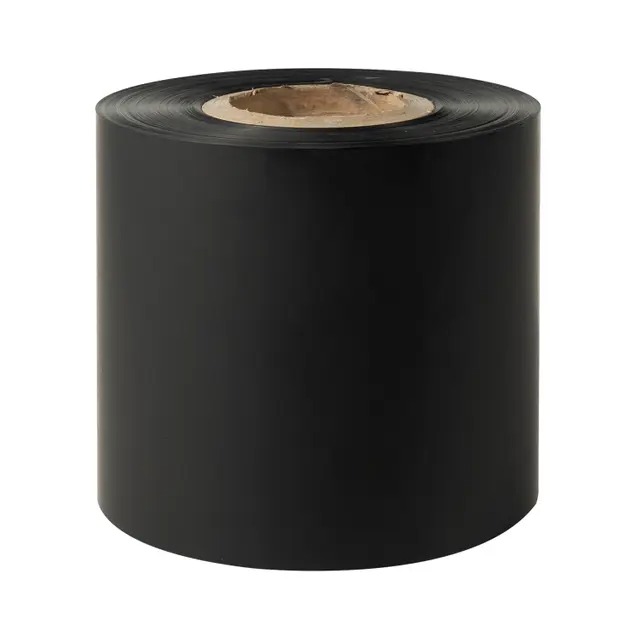
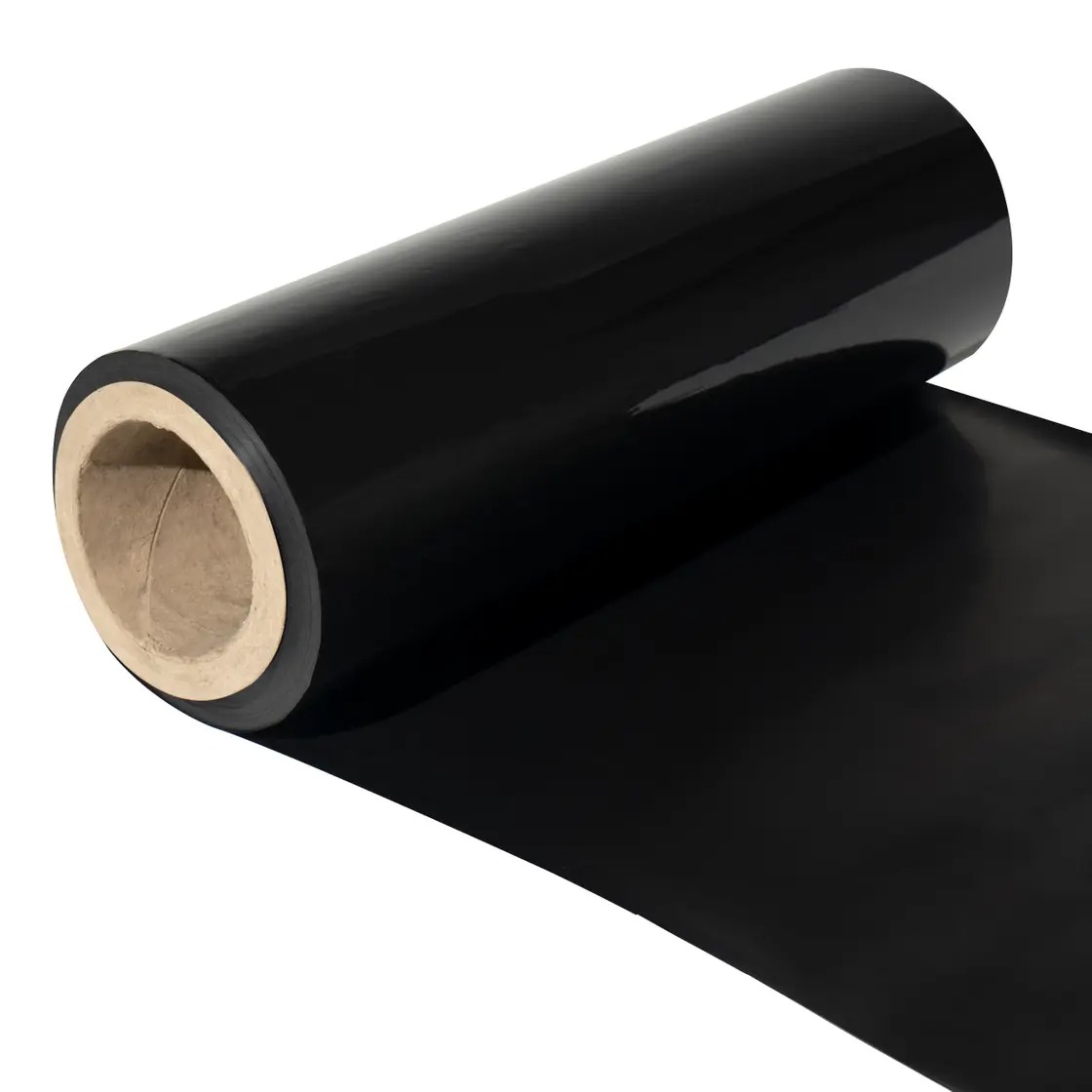
Carbon conductive film is a specialized material designed to combine the flexibility of polymer-based films with the electrical conductivity of carbon. By embedding carbon black or other carbon-based materials into a polymer matrix, this film achieves excellent conductivity without sacrificing strength, durability, or pliability. It has found applications across multiple industries, including medical electrodes such as ECG and TENS, physiotherapy electrodes used in EMS fitness equipment, electromagnetic shielding products for sensitive electronics, heating films, and even energy battery electrodes.
When it comes to medical heating pads, the choice of conductive material is crucial. These pads need to deliver consistent warmth safely, without risking electrical hazards or causing harm to the user. Carbon conductive film, with its stable performance and biocompatibility, is increasingly being adopted in this field. But is it really safe for use in medical heating pads? To answer this, it is important to understand its properties, benefits, and limitations compared to traditional alternatives.
One of the key considerations in medical products is patient safety. Carbon conductive film offers several safety advantages that make it suitable for use in heating applications:
Electrical Stability – Unlike metallic conductors, which may corrode or break under repeated bending, carbon conductive films maintain stable conductivity over long periods. This ensures the heating pad delivers predictable and even heat distribution.
Flexibility and Comfort – Medical heating pads must conform to the contours of the human body. Carbon conductive film is lightweight and flexible, allowing it to bend without damaging the conductive pathways. This reduces the risk of electrical failure or uneven heating.
Thermal Regulation – Carbon-based films naturally distribute heat evenly. This minimizes the possibility of hot spots, which could cause burns or discomfort to patients during use.
Biocompatibility – Since the film is often embedded in polymer layers, direct skin contact is minimal. This lowers the risk of irritation or adverse reactions, making it safer for long-term therapeutic use.
From a safety perspective, carbon conductive films excel in maintaining reliable function while ensuring patient comfort. Compared to metallic alternatives, they are less prone to overheating, electrical leakage, or breakage, which further supports their role in medical heating pad applications.
While the question of safety in heating pads is central, it is also useful to look at the broader applications of carbon conductive film, which reinforce its credibility as a safe and versatile material.
Medical Electrodes (ECG, TENS): In electrocardiogram electrodes, carbon conductive film provides low resistance pathways, ensuring accurate signal detection from the body. Similarly, in TENS units, it supports consistent electrical stimulation for pain relief. The success of these applications demonstrates its safety in direct medical use.
Physiotherapy Electrodes (EMS Fitness): For muscle stimulation, electrodes made from carbon films allow uniform current distribution, preventing localized discomfort.
Electromagnetic Shielding Products: Carbon conductive films block or reduce electromagnetic interference, protecting sensitive electronic devices and medical equipment. Their safe handling and non-toxic nature are crucial in these environments.
Energy Battery Electrodes: The film also serves as a component in advanced energy storage systems. Its stability under different charge-discharge cycles indicates strong safety reliability.
These applications collectively show that carbon conductive film has already passed rigorous safety demands across industries. This broad adoption strengthens the argument for its safe use in heating pads.
To evaluate safety more clearly, it helps to compare carbon conductive film against traditional conductive materials commonly used in heating pads, such as copper or metallic wires.
| Feature | Carbon Conductive Film | Traditional Metallic Conductors |
|---|---|---|
| Flexibility | High flexibility, bendable without damage | Limited flexibility, prone to breakage |
| Corrosion Resistance | Excellent, non-metallic, resists oxidation | Can corrode or rust over time |
| Heat Distribution | Even and consistent | May create localized hot spots |
| Safety in Medical Use | Biocompatible, low risk of skin irritation | Risk of overheating, sharp edges may harm |
| Durability | Long-lasting under repeated bending | Lifespan shorter with repeated stress |
This comparison makes it clear that carbon conductive film offers significant safety benefits, especially when applied in sensitive medical environments where patient comfort and reliability are paramount.
Even though carbon conductive film is generally safe, no material is entirely without risks. Potential concerns include:
Overheating from Electrical Malfunction: While rare, a defect in the circuit could cause localized overheating. To prevent this, medical heating pads are typically designed with thermal cut-off switches or sensors.
Material Degradation Over Time: Continuous use may lead to micro-cracks in the polymer matrix. However, regular testing and proper design integration reduce this risk significantly.
Improper Use by Patients: If patients misuse heating pads (e.g., applying them directly on open wounds or using them while sleeping for extended periods), safety risks could arise, regardless of the material.
Manufacturers usually mitigate these risks by combining carbon conductive films with advanced safety mechanisms. These include temperature controllers, automatic shut-offs, and protective insulation layers. With such features, the likelihood of safety issues is drastically minimized.
Q1: Can carbon conductive film cause burns?
A: No, when integrated properly, the film ensures even heat distribution and minimizes hot spots, reducing the risk of burns.
Q2: Is it safe for people with sensitive skin?
A: Yes, since the film is embedded within protective layers, direct skin contact is rare. It is generally considered safe for sensitive users.
Q3: How long do heating pads with carbon conductive film last?
A: Due to the film’s durability and resistance to wear, such heating pads usually last longer than those made with metallic conductors.
Q4: Can carbon conductive film interfere with medical devices?
A: No, in fact, it often helps shield against electromagnetic interference, making it safer around sensitive devices.
Q5: Is carbon conductive film eco-friendly?
A: Being polymer-based with carbon additives, it is more environmentally stable than some metals, but recyclability depends on the full product design.
Based on the analysis of its properties, applications, and safety records, carbon conductive film is safe for use in medical heating pads. It offers superior flexibility, stability, and even heat distribution compared to traditional conductors, all of which are critical in medical applications. Moreover, its proven performance in other sensitive areas, such as ECG electrodes and physiotherapy devices, reinforces its reliability.
Of course, like any medical device, the ultimate safety depends not only on the material but also on the product’s engineering design and user practices. When paired with protective features like automatic shut-off and regulated heating, carbon conductive film makes medical heating pads both effective and safe for everyday therapeutic use.
