
- All
- Product Name
- Product Keyword
- Product Model
- Product Summary
- Product Description
- Multi Field Search

Views: 0 Author: Site Editor Publish Time: 2026-06-12 Origin: Site


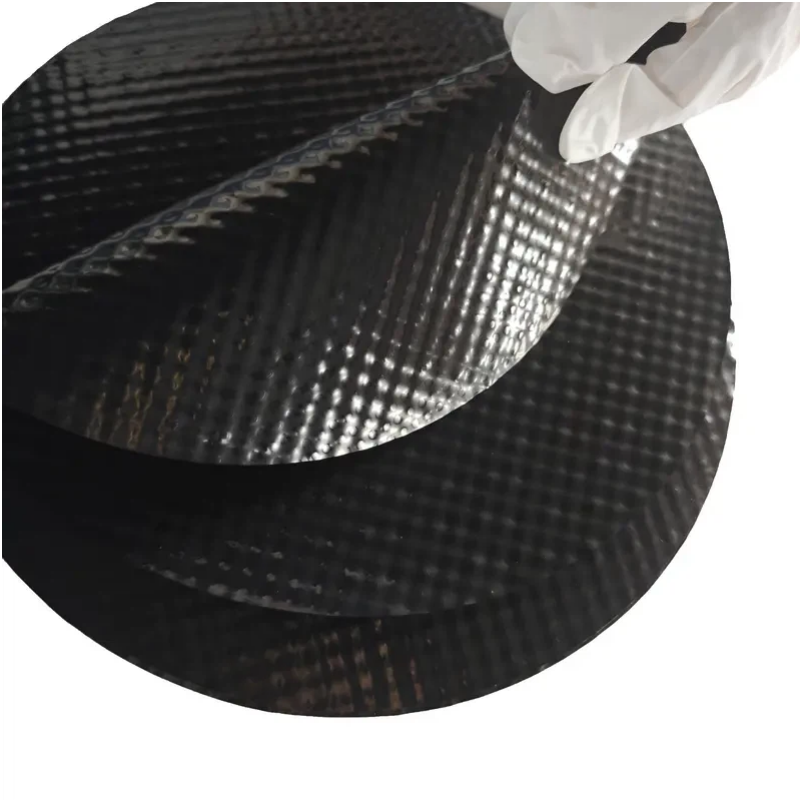
In the high-tech manufacturing world, especially in the production of solar cells and TFT-LCD panels, the handling and transport of wafers are crucial processes. Wafer spacers and separators may seem like small, secondary components, but their impact on the overall efficiency and yield of wafer handling is significant. These components ensure that wafers remain intact and free from damage as they move through various stages of production. As manufacturers continue to push for higher precision and lower defect rates, understanding the importance of these seemingly minor components is key to optimizing the entire wafer handling process. In this article, we will explore the role of wafer spacers and wafer separators in solar cell and TFT-LCD manufacturing, focusing on their importance in the wafer flow and how selecting the right components can lead to improved production efficiency.
Shanghai HAOUGER Electronic Technology Co., Ltd. has been a leader in providing high-quality wafer pad solutions for over 20 years. We specialize in manufacturing wafer spacers and separators that cater to the needs of various industries, including the solar and TFT-LCD sectors. Our products are designed to ensure the safe transport and handling of wafers, preventing damage and improving yield during manufacturing. By understanding the critical role these components play, manufacturers can optimize their processes, reduce downtime, and ultimately improve the quality of their products.
Wafer spacers and wafer separators are materials used in wafer handling systems to separate and protect wafers during various stages of the manufacturing process. These components ensure that wafers do not come into direct contact with one another or with other surfaces that could cause damage, such as scratches, cracks, or contamination.
Wafer Spacers are used to physically separate wafers, ensuring that each wafer is isolated from others to prevent mechanical damage. They are typically used during wafer transport, stacking, and storage.
Wafer Separators, while similar to spacers, are often used in automated systems where wafers need to be aligned and separated for efficient processing or inspection. They play a role in maintaining the spatial integrity of each wafer in more complex handling systems.
These components are essential in both solar silicon wafers and TFT-LCD wafers, which are highly sensitive materials. For solar cells, wafers are delicate and can easily suffer from surface damage, affecting their performance. In TFT-LCD manufacturing, maintaining wafer integrity is also critical as the production process involves intricate steps that could easily cause wafer breakage or contamination.
Wafer spacers and separators are made from various materials, including plastics like polyethylene (PE) or polystyrene (PS), and sometimes specialized polymers designed to minimize static buildup. The material choice depends on the specific requirements of the production environment, such as cleanliness standards, wafer size, and the nature of the handling equipment.
In terms of formats, spacers and separators can be customized to fit specific wafer sizes, from smaller 4-inch wafers used in early-stage solar cells to larger 12-inch wafers used in high-resolution TFT-LCD panels.
Handling wafers correctly is a crucial part of ensuring product quality and minimizing losses during production. Proper separation helps maintain wafer integrity, reducing the risk of defects and damage.
Wafer-to-wafer contact is one of the primary causes of damage during transport and storage. Without proper spacers or separators, wafers can rub against each other, causing scratches or even fractures. These imperfections can lead to defects in the final product, whether it’s a solar cell or a TFT-LCD panel. By keeping wafers adequately separated, wafer spacers help prevent these issues.
Contamination is another significant concern in wafer handling. Even tiny particles can affect the functionality of a solar cell or the quality of a TFT-LCD screen. Wafer spacers and separators help maintain cleanliness by preventing wafer-to-wafer contact, reducing the chances of particle transfer or dust buildup. This is particularly important in cleanroom environments where contamination is strictly controlled.
In large-scale manufacturing, wafers are often transported in automated systems or stacked in containers for easy transport. Proper wafer spacers and separators are essential in these scenarios. They ensure that wafers are securely positioned, preventing shifting or damage during transport. Additionally, they help optimize the automation process, allowing for smoother integration with other systems like robotic handling or wafer inspection stations.
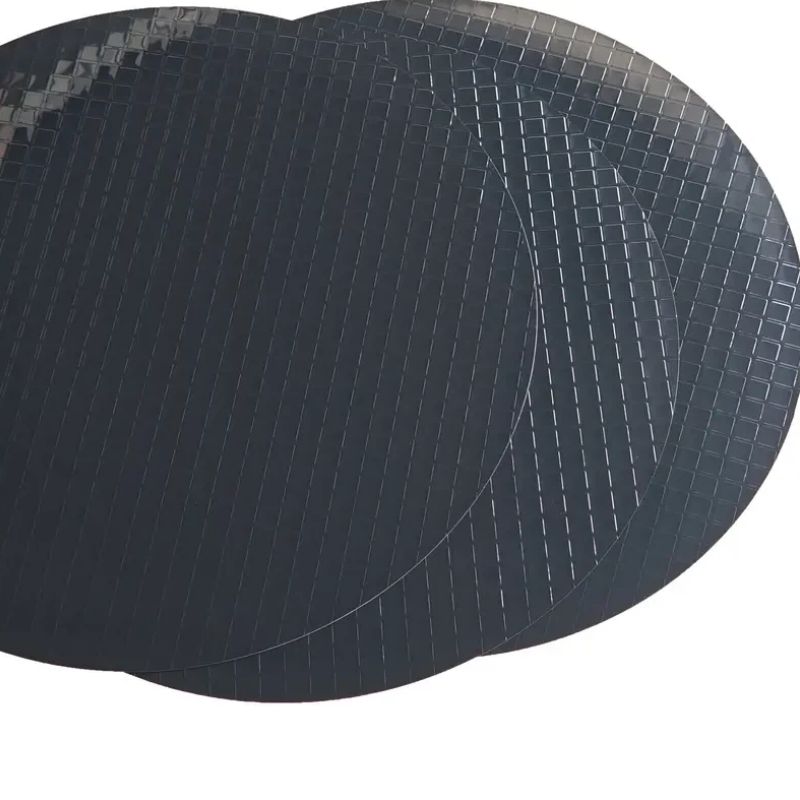
Although the principles of wafer handling are the same, the specific requirements for solar wafers and TFT-LCD wafers can differ based on factors like wafer size, fragility, and environmental conditions.
Solar wafers and TFT-LCD wafers are both produced in cleanroom environments where dust and contamination are minimized. However, the level of cleanliness required may differ slightly. TFT-LCD panels, which are used in high-resolution displays, may require a higher level of precision and cleanliness than solar wafers. As such, wafer spacers and separators used in TFT-LCD applications may be subject to more stringent cleanliness standards.
Solar wafers are typically larger and more fragile compared to TFT-LCD wafers, which are thinner and smaller. The wafer spacers and separators for solar cells must be designed to accommodate the increased fragility and larger surface area of these wafers. For TFT-LCD panels, spacers need to be more tailored to fit the smaller, thinner wafers, providing sufficient protection without adding excess bulk.
The way wafers are transported and handled also differs between solar cell production and TFT-LCD manufacturing. Solar wafers are often moved through various stages of the production process manually or with simple automated systems, while TFT-LCD production often involves more complex automated equipment. Wafer separators used in TFT-LCD applications need to be designed with greater precision to support automated handling systems, ensuring alignment and separation during high-speed processes.
Selecting the right wafer spacer or separator involves considering several important factors to ensure optimal wafer protection and handling.
The cleanliness of the material is one of the most important considerations when choosing wafer spacers. Materials should be low-linting to avoid introducing contaminants into the wafer handling process. Additionally, anti-static properties are crucial for preventing the buildup of static charges, which could damage the wafers.
Wafer spacers need to be durable enough to withstand the stresses of handling, transport, and stacking. They must also be correctly sized to match the dimensions of the wafers being processed. A poorly sized spacer can cause wafers to shift, resulting in damage or inefficiency in automated systems.
Given the diverse needs of wafer handling across industries, it’s important to choose a supplier that can provide customized spacer and separator solutions. At Shanghai HAOUGER, we offer tailored products to meet the unique requirements of each customer, ensuring that they receive spacers and separators that are perfectly suited for their wafer handling systems.
At Shanghai HAOUGER Electronic Technology Co., Ltd., we specialize in providing wafer spacers and separators designed for both solar and TFT-LCD applications. Our products are manufactured to the highest standards, ensuring they meet the specific requirements of each industry.
Our wafer spacers and separators are available in a wide range of sizes, ensuring that they fit perfectly with your wafer handling systems. We also offer anti-static treatment, cleanroom compatibility, and cost-effective solutions that help improve your production efficiency while maintaining high levels of quality.
For example, in solar line stacking, our custom-sized spacers have helped reduce wafer breakage by up to 15%, while improving the overall stacking process efficiency. Similarly, in TFT-LCD wafer transport, our separators have proven instrumental in ensuring smooth handling through automated systems, reducing downtime and improving throughput.
The role of wafer spacers and separators in wafer handling is often underestimated, but their impact on the quality and efficiency of wafer production cannot be overstated. Whether you're working with solar wafers or TFT-LCD wafers, investing in high-quality spacers and separators is essential for protecting your wafers, improving yield, and optimizing production efficiency. At Shanghai HAOUGER, we offer customized solutions to meet your specific wafer handling needs. Contact us today to learn how our products can improve your wafer handling process and boost your production efficiency.
1. What are wafer spacers and separators used for?
Wafer spacers and separators are used to physically separate and protect wafers during transport, storage, and processing, preventing damage and contamination.
2. What materials are typically used for wafer spacers?
Common materials for wafer spacers include polyethylene (PE) and polystyrene (PS), as these materials are durable, clean, and offer good anti-static properties.
3. How do wafer spacers improve the handling process?
Wafer spacers help to prevent wafer-to-wafer contact, reduce mechanical damage, and ensure wafers are aligned and stable during transport and processing, leading to better yield and efficiency.
4. Can wafer spacers be customized for different wafer sizes?
Yes, wafer spacers can be tailored to fit specific wafer sizes, from small 4-inch wafers to larger 12-inch wafers, ensuring proper protection during handling.
