
- All
- Product Name
- Product Keyword
- Product Model
- Product Summary
- Product Description
- Multi Field Search

Views: 0 Author: Site Editor Publish Time: 2026-06-12 Origin: Site


In the solar energy industry, ensuring the highest quality of solar cells is essential for producing durable, high-efficiency products. One critical but often overlooked component in solar cell manufacturing is the embossed PS wafer pad. This essential product plays a significant role in protecting the delicate wafers during handling and transport, ensuring that solar cells are not damaged and yield remains high. As a leader in the field, Shanghai HAOUGER Electronic Technology Co., Ltd. provides high-quality embossed PS wafer pads that meet the stringent requirements of solar cell manufacturers. In this article, we will explore the significance of these wafer pads, the challenges faced without the right materials, and why choosing the correct wafer pad is essential for improving production efficiency and reducing costs.
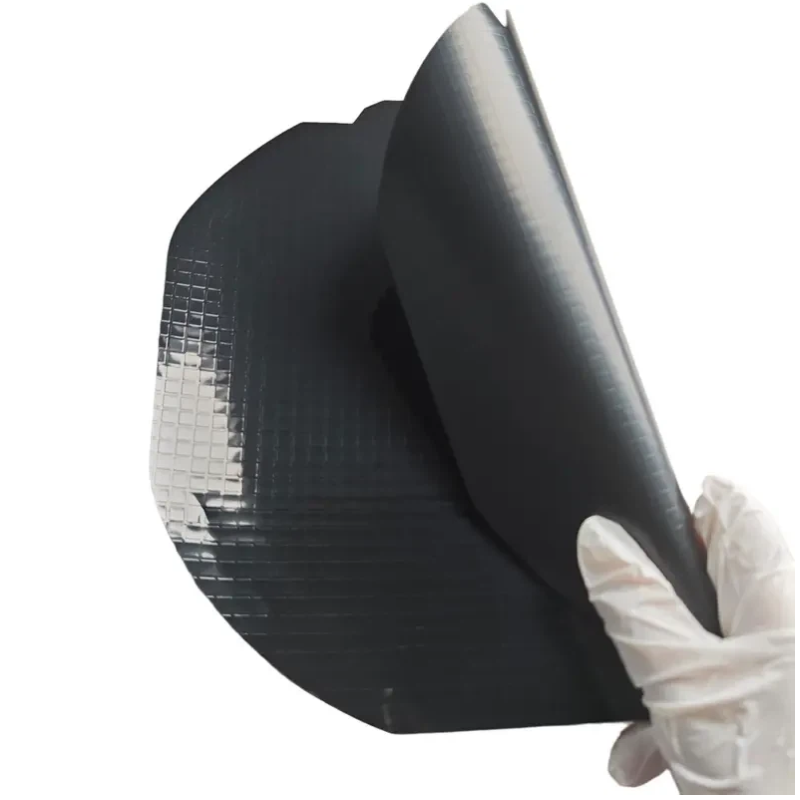
Embossed PS wafer pads are specialized materials designed to protect wafers during handling, transport, and storage in various manufacturing environments, including solar cell production. They are made from polystyrene (PS), a material known for its rigidity and ability to resist deformation. The embossing pattern, which involves creating a raised texture on the surface of the pad, provides additional benefits in terms of wafer protection.
An embossed PS wafer pad typically features a polystyrene base that has been molded with a unique embossed pattern. These patterns can be designed to provide the necessary support while minimizing contact between the wafer and the pad, thus reducing the risk of damage during transit. The pads are available in different thicknesses and sizes, specifically tailored to the dimensions of the wafers being handled.
Unlike standard wafer pads, which may provide basic cushioning, embossed PS wafer pads are engineered to offer enhanced protection. The raised texture helps distribute pressure more evenly, reducing the risk of localized damage or pressure points. This design also minimizes friction, ensuring smooth handling and transport while preventing potential surface damage, such as scratches or cracks. Additionally, the embossed pattern helps in controlling moisture and dust buildup, both of which can negatively affect the wafers’ quality.
The assembly of solar cells is a delicate process that involves several stages of wafer handling. During this process, wafers are particularly vulnerable to damage, which can lead to costly defects and inefficiencies. This is where embossed PS wafer pads become essential.
Handling wafers in the assembly line requires utmost care, as they are fragile and prone to mechanical stress. Embossed PS wafer pads help create a protective barrier between the wafer and any surfaces that might cause damage. This protection is especially important in the initial stages of solar cell assembly, where wafers are often transferred multiple times.
Mechanical stress during handling can lead to micro-cracks, which may not be immediately visible but can significantly reduce the efficiency of solar cells. The cushioning provided by embossed PS wafer pads helps minimize such risks by evenly distributing pressure, ensuring the wafers remain intact and ready for further processing.
By using high-quality wafer pads, manufacturers can improve their throughput by reducing the risk of breakage or defects. This ultimately leads to higher yield rates, as more wafers can be processed without issues related to damaged wafers or production delays. Ensuring the proper handling of wafers at every stage of the process is essential for meeting production targets and maintaining consistent product quality.
While wafer pads may seem like a small part of the production process, choosing the wrong pad can result in significant challenges that affect the entire production line.
One of the most common issues in wafer handling is breakage. Without the appropriate embossed PS wafer pads, wafers may come into contact with hard surfaces or experience uneven pressure, leading to cracks or breakages. These damaged wafers need to be discarded, which directly impacts yield and increases production costs.
Another challenge that arises from using inferior wafer pads is the potential for particle contamination. If the pads are not clean or if they are made from low-quality materials, they can transfer particles onto the wafer surface. This contamination can cause defects in the final product, resulting in lower solar cell efficiency. Additionally, poorly designed pads can leave marks or impressions on the wafers, compromising their integrity.
When wafers are damaged or when contamination occurs, the assembly line experiences delays as affected wafers need to be removed or reprocessed. This downtime can result in significant cost increases. Moreover, the need to constantly replace damaged wafers further adds to the overall production costs. Choosing the right embossed PS wafer pad helps eliminate these issues, leading to a more efficient and cost-effective production process.
Selecting the correct embossed PS wafer pad for solar cell assembly requires careful consideration of several factors. The right choice can lead to significant improvements in yield and overall production efficiency.
The material of the wafer pad plays a crucial role in ensuring that the wafers are properly protected. Polystyrene is a popular choice for wafer pads due to its rigidity, stability, and cost-effectiveness. It also offers a good balance between cushioning and support, making it ideal for delicate wafer handling.
The pattern and geometry of the embossing are critical in providing the appropriate level of protection. The embossed design helps distribute pressure evenly across the wafer’s surface, preventing localized damage. When choosing a wafer pad, it’s essential to consider the geometry of the pattern to ensure it provides the right level of cushioning for the specific type of wafer being handled.
The size and design of the wafer pad must match the wafers being processed. In solar cell manufacturing, wafers come in various sizes, and it is essential that the pads are designed to accommodate these different dimensions. Additionally, the pads should be compatible with the handling equipment used in the production line to ensure smooth integration into the process.
At Shanghai HAOUGER Electronic Technology Co., Ltd., we specialize in producing high-quality embossed PS wafer pads that are designed to meet the specific needs of solar cell manufacturers. Our products are engineered with precision to offer superior protection for wafers during transport and assembly.
Our embossed PS wafer pads come with customizable embossing patterns, ensuring that they provide optimal support for the wafers in your production process. Additionally, our pads are treated with anti-static properties to further protect the wafers from the risks of static discharge, which can cause defects or damage.
We take cleanliness and quality control seriously. Our wafer pads are manufactured in controlled environments, ensuring that they meet the highest cleanliness standards. This reduces the risk of particle contamination and ensures that your wafers remain pristine throughout the handling process.
In real-world applications, solar cell manufacturers using our embossed PS wafer pads have reported significant improvements in yield and efficiency. By reducing wafer breakage and contamination, our pads have helped manufacturers achieve higher production rates and lower costs, making them a valuable investment in the solar cell production line.
In conclusion, the selection of the right embossed PS wafer pad is crucial for ensuring that solar cell wafers are handled with care, minimizing the risk of damage and maximizing yield. By choosing the right wafer pad, manufacturers can improve their overall production efficiency and reduce costs. At Shanghai HAOUGER Electronic Technology Co., Ltd., we are committed to providing the best wafer pad solutions tailored to your specific needs. Contact us today to learn more about our embossed PS wafer pads and how they can help improve your production process.
1. What are embossed PS wafer pads used for in solar cell manufacturing?
Embossed PS wafer pads are used to protect wafers from damage during handling, transport, and storage. They help ensure the wafers maintain their integrity, which is crucial for producing high-quality solar cells.
2. How does the embossing pattern help protect wafers?
The embossing pattern helps distribute pressure evenly across the wafer’s surface, reducing the risk of localized damage, such as cracks or scratches, during handling.
3. What are the key benefits of using embossed PS wafer pads?
The main benefits include preventing wafer breakage, reducing contamination, and increasing yield and throughput in solar cell manufacturing.
4. Can embossed PS wafer pads be customized for different wafer sizes?
Yes, our wafer pads are available in different sizes and can be customized to fit the specific dimensions of the wafers being processed.
