
- All
- Product Name
- Product Keyword
- Product Model
- Product Summary
- Product Description
- Multi Field Search

 |


| Quantity: | |
|---|---|
Anti-static aluminum foil bag is also called anti-static and moisture-proof shielding aluminum foil vacuum bag, aluminum foil bag, vacuum bag, moisture-proof bag and so on. , available in three finishes: silver, matte, and glossy. It features three core functions: anti-static, anti-electromagnetic interference, and moisture resistance. It adopts a four-layer material structure (PET anti-static layer / aluminum foil moisture-proof shielding layer / PET/PP or PE anti-static layer)
Antistatic Layer (PET)/Aluminum Foil Layer (Moisture Shielding Layer)/PET/Antistatic Layer (PP or PE)
Electrical and physical properties meet international standards such as ASTTMD 257, EIA541 and MIL-B-81705
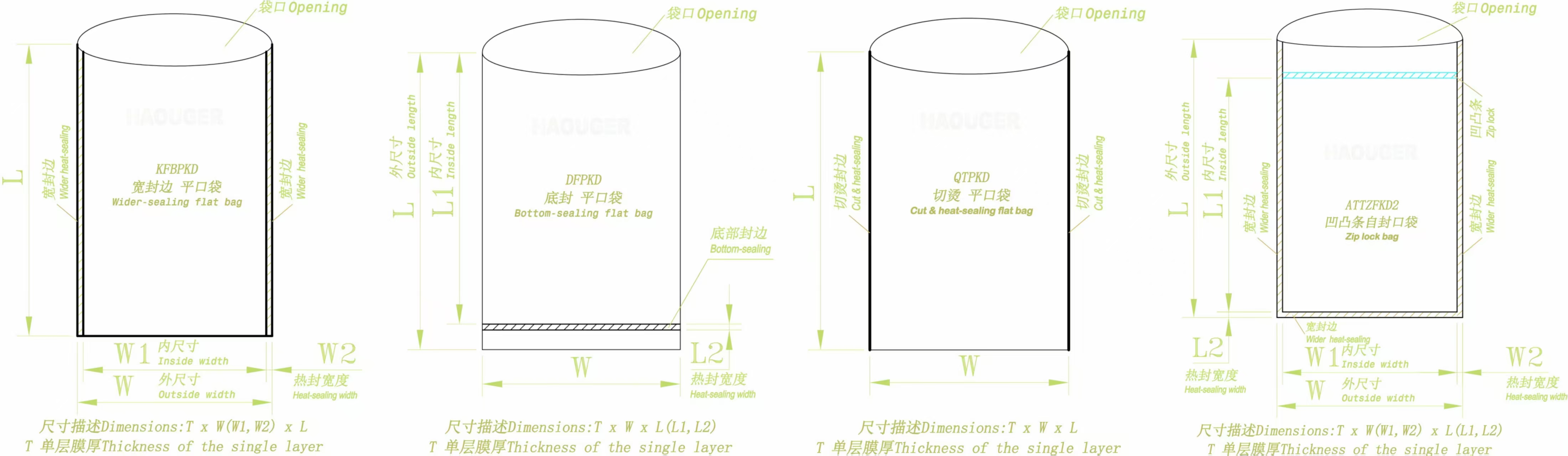
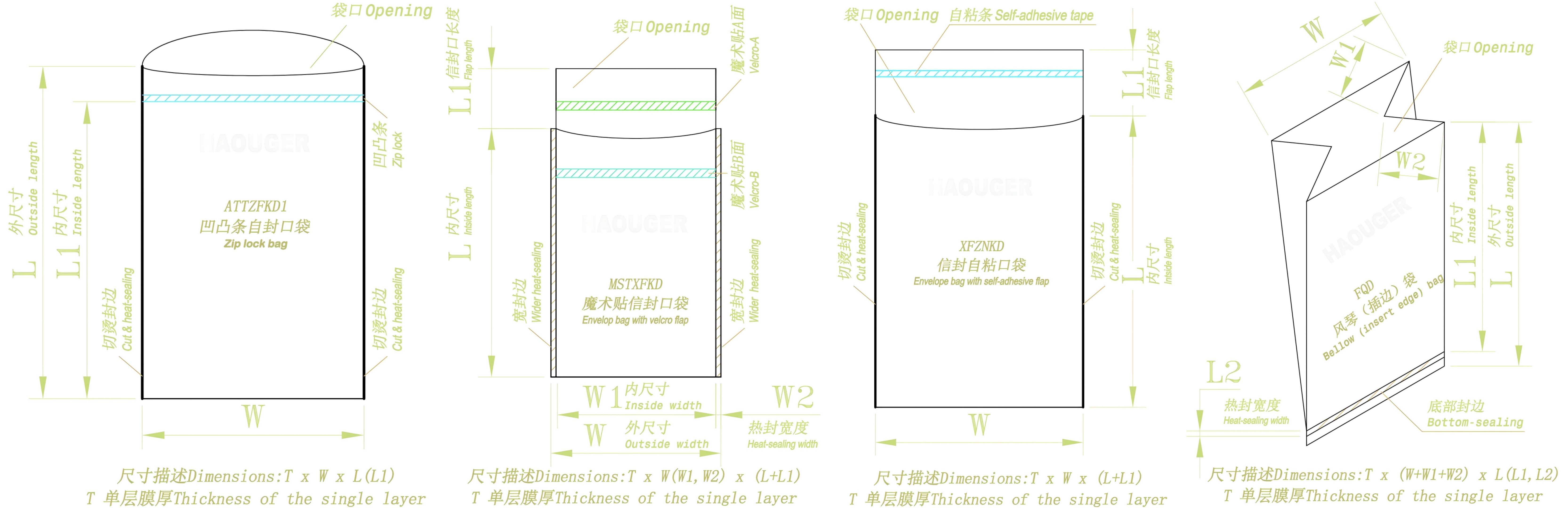
Flat pocket type, self-sealing type (compact bag/zipper bag), envelope type, envelope self-adhesive type, one-piece type, three-dimensional type, etc., the bag body pattern can be printed according to customer requirements.
Ø Electronics Field: Suitable for packaging electronic products that require moisture protection, such as various PC boards, IC integrated circuits, optical drives, hard drives, etc.
Ø Other Fields: Used for vacuum packaging of chemical raw materials and biological intermediates to ensure that the contents are protected from moisture and oxidation.
The main technical parameters:
Conventional thickness:100μm、120μm、140μm
Surface resistance:10E8~10E11
• According to the shape of the bag, it can be divided into flat bag, organ bag (edge bag), round bottom bag, three-dimensional bag (special-shaped bag) and so on.
• According to the form of bag opening, it can be divided into flat pockets, self-sealing bag with concave and convex strips, self-adhesive envelope pockets, self-adhesive magic sticker pockets and so on.
• Depending on the application of the bag, it can be called a light-shielding bag, a selenium drum bag, a permanent anti-static bag, a black plastic bag, a container bag inner bag, an electronic detonator bag, an explosion-proof bag, and the like.
Question 1: Which international standards do the performance of this anti-static aluminum foil bag comply with, and which specific products is it mainly suitable for packaging?
Answer: Its performance complies with three international standards: ASTTMD 257, EIA541, and MIL-B-81705, ensuring that its electrical and physical properties meet the standards. In terms of applications, it is mainly used for packaging two types of products: first, electronic products that require moisture protection, such as PC boards, IC integrated circuits, optical drives, and hard drives; second, chemical raw materials and biological intermediates that need to be stored in a vacuum, to prevent the contents from getting damp, oxidized, or subject to electromagnetic interference.
Question 2: Are the only regular thicknesses 100μm, 120μm, and 140μm? Can thicker or thinner bags be customized according to needs?
Answer: What is marked on the webpage is the regular thickness. Usually, thicknesses in the range of 50μm to 200μm can be customized according to customer needs. Thinner bags (such as 50μm to 80μm) are suitable for lightweight electronic products (such as small IC chips) to reduce packaging volume; thicker bags (such as 160μm to 200μm) are suitable for heavy or easily punctured contents (such as angular metal components) to enhance anti-drop and anti-puncture capabilities.


