
- All
- Product Name
- Product Keyword
- Product Model
- Product Summary
- Product Description
- Multi Field Search

 |




| Quantity: | |
|---|---|
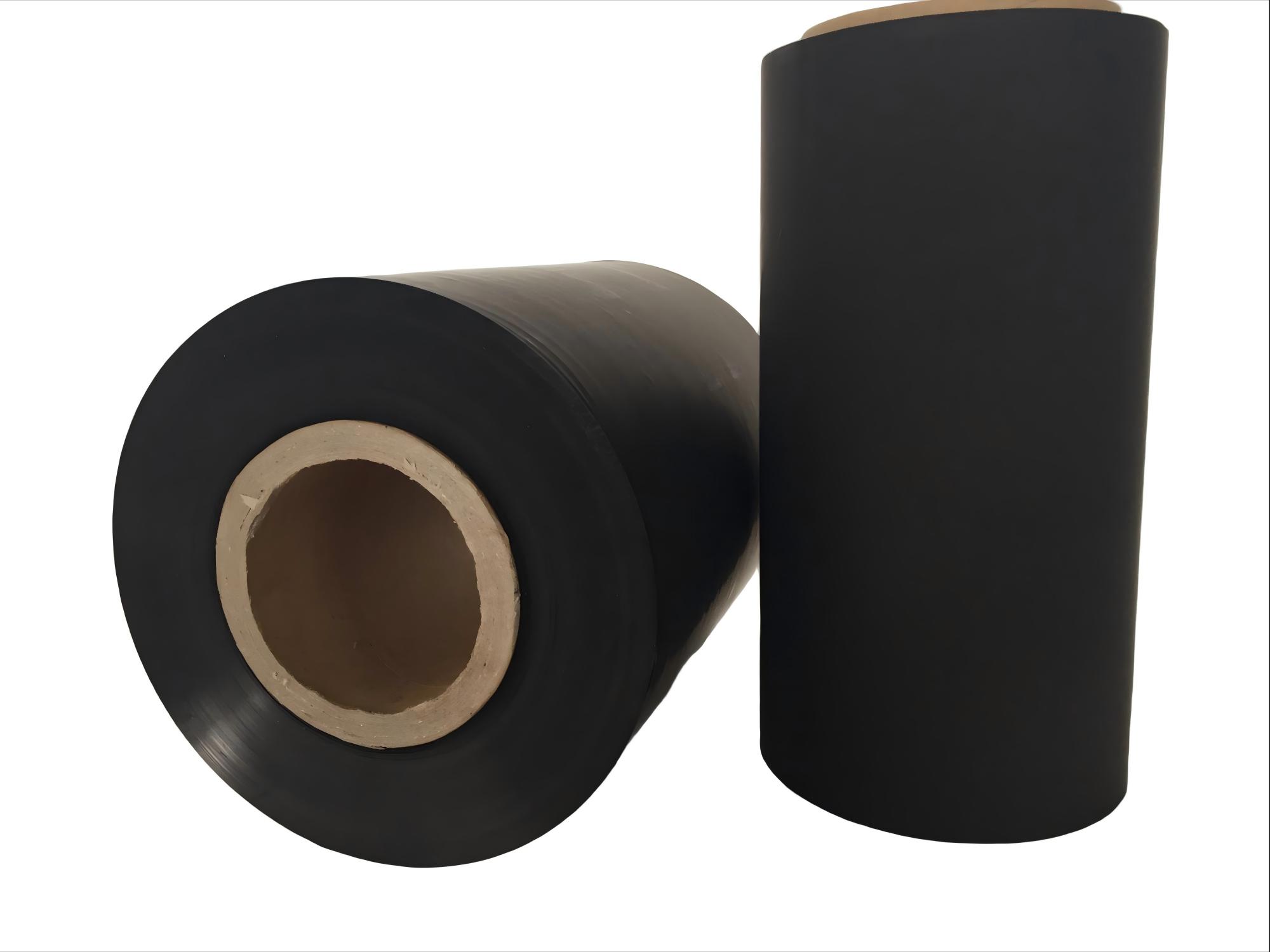
PE Conductive Carbon Film/Carbon Film/Black Conductive Plastic Film/Polyethylene conductive film
Product number:JH7000
PE Conductive Carbon Film (Product Number: JH7000) is manufactured by blending high molecular superconducting carbon black, graphene, additives and other resins through a coating process. It features a smooth surface, uniform and stable resistance, excellent dual-sided conductive performance, softness and flexibility allowing for bending, resistance to acid, alkali, oil, heat, cold and oxidation (with a lifespan exceeding 15 years). It can meet special requirements such as waterproofing and rust prevention by adjusting the base material ratio. Its applications cover areas like beauty, health care and therapeutic electrodes, medical electrodes, electromagnetic shielding, flexible electrodes, and low-temperature electric heating products. Key technical parameters include a sheet resistance of 3-10^4 Ω/□ and a thickness of 20-400 μm. Moreover, it has specific applications in graphene flexible surface heating (emitting 8-15 micrometer far-infrared waves, beneficial for health), medical/therapeutic flexible electrodes (compliant with the EU RoHS halogen directive), and energy battery electrodes (PE separator isolates the positive and negative electrodes and allows Li⁺ to shuttle).
• Applied to all kinds of beauty, health care and other physiotherapy electrode products
• Used in all kinds of examination, treatment, monitoring medical electrode product.
• Used in all kinds of electrical appliances, cables, aerospace, petrochemical and other electromagnetic shielding products;
• Applied to patch electrodes, pressure-sensitive circuits and various flexible electrode products;
• Used in various low temperature electric heating products such as surface heating, heat preservation, heating and defogging.
The main technical parameters:
General square resistance(Ω/□) | Thickness(μm) |
Width(mm) | Length(m) | (℃) | Extreme temperature resistance(℃) |
60~50,000 | 40~400 | 5~1000 | 50-500 | -70~90 | -100~120 |
Graphene flexible surface heating application
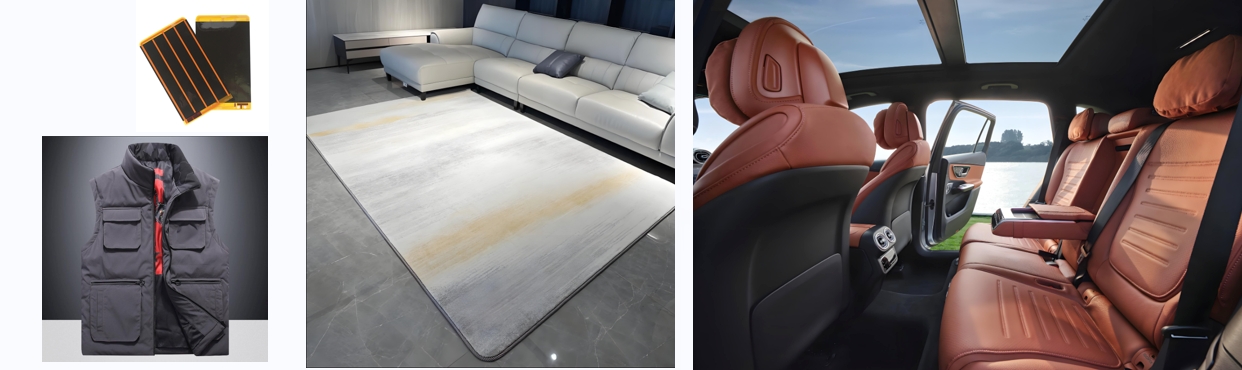
The heating function of PE Conductive Carbon Film is centered on low-temperature radiant heating, which is different from the "conduction heating" of traditional resistance wires. Its heat is directly transferred through radiation in the form of far-infrared waves. After being energized, the graphene and nano carbon black in the material form a stable conductive path, enabling efficient conversion of electrical energy into thermal energy. The heating process is flameless and noiseless, with controllable surface temperature.
Medical/physiotherapy flexible electrode material
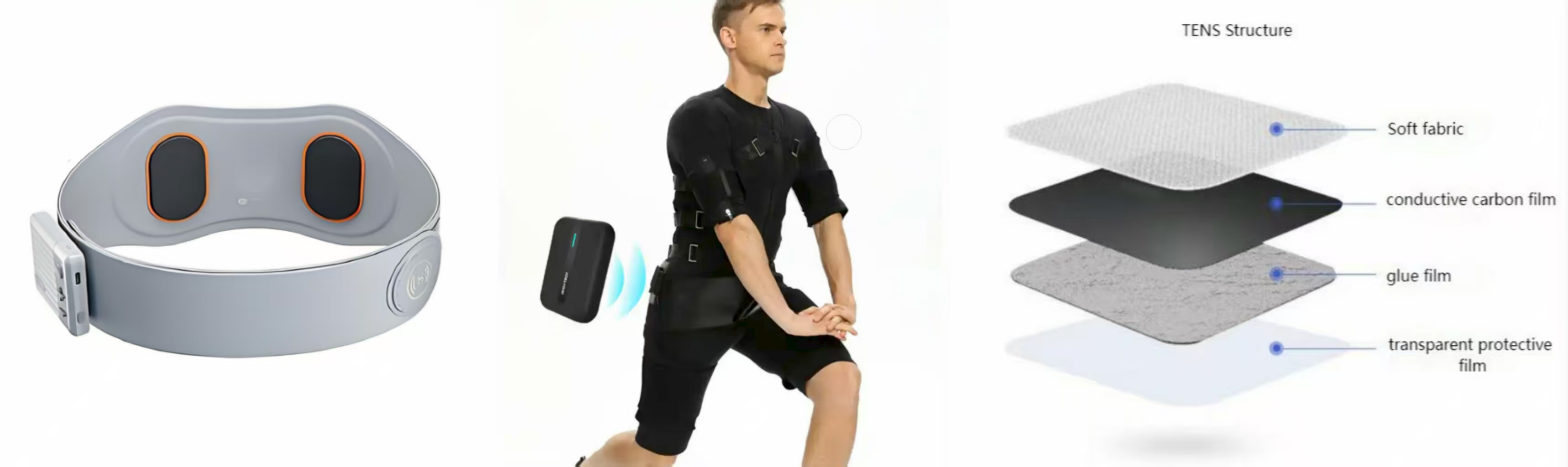
This material does not contain harmful substances such as lead and halogens, and has passed the EU ROHS testing. It is soft and can be bent at will, fitting closely to the relevant areas.
Energy battery electrodes
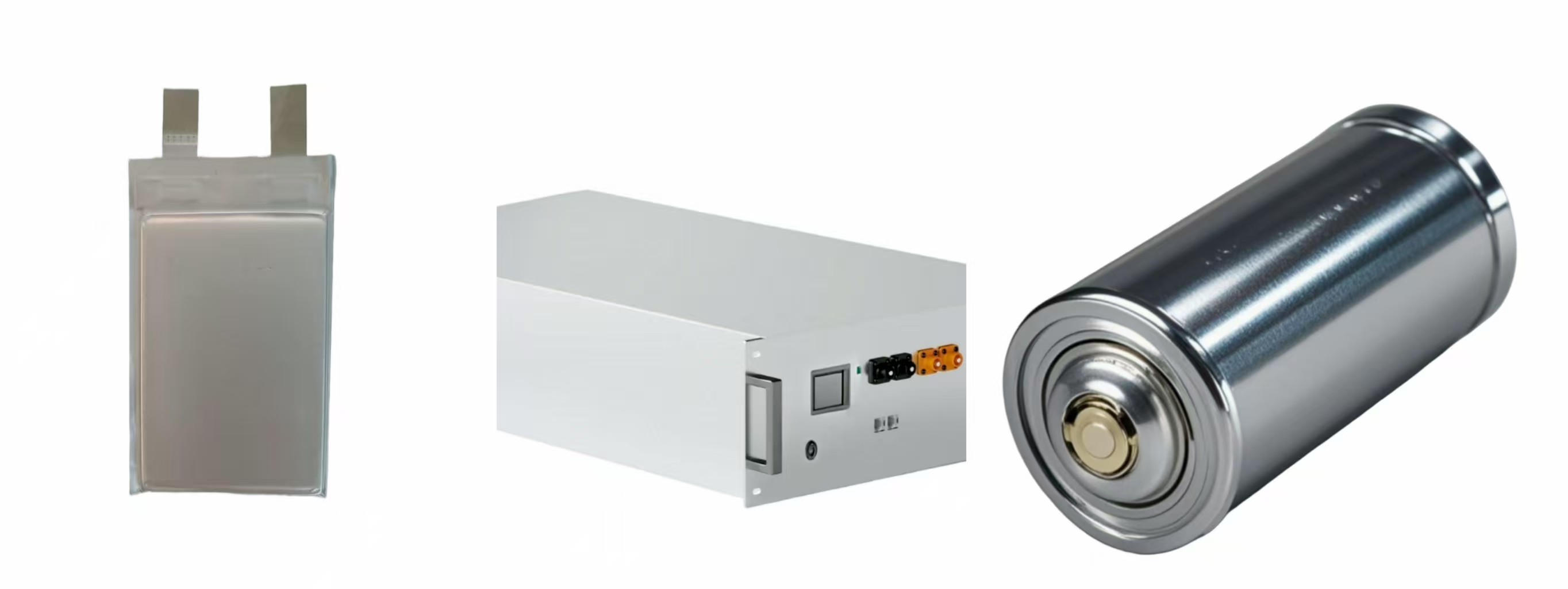
The carbon black and graphene in the conductive film form a conductive network, which can reduce the internal impedance of the electrode and avoid the problem that traditional carbon black powder additives tend to aggregate.


