
- All
- Product Name
- Product Keyword
- Product Model
- Product Summary
- Product Description
- Multi Field Search

 |


| Quantity: | |
|---|---|
PI Conductive Carbon Film/Carbon Film/Black Conductive Plastic Film
product model:JH7900
Product Description:
PI conductive film is a high-performance thin film material that uses polyimide (PI) as the base material and is endowed with conductive properties through specific processes.
Electronics and electrical appliances field: used as conductive substrates for flexible circuit boards, electromagnetic shielding materials, and electronic sensors. New energy field: used as a conductive reinforcing layer for lithium battery tab coating films and fuel cell proton exchange membranes. Aerospace field: suitable for insulating and conductive components of electronic components that require high temperature resistance and high reliability. Flexible display field: used as a supporting material for the transparent conductive layer of flexible OLED screens.
The main technical parameters:
General square resistance(Ω/□) | Thickness(μm) | Width(mm) | Length(m) | (℃) | Extreme temperature resistance(℃) |
60 | 40 | 5~520 | 50-500 | -200~260 | -260~300 |
100 | 40 | 5~520 | 50-500 | -200~260 | -260~300 |
120 | 50 | 5~520 | 50-500 | -200~260 | -260~300 |
Graphene flexible surface heating application
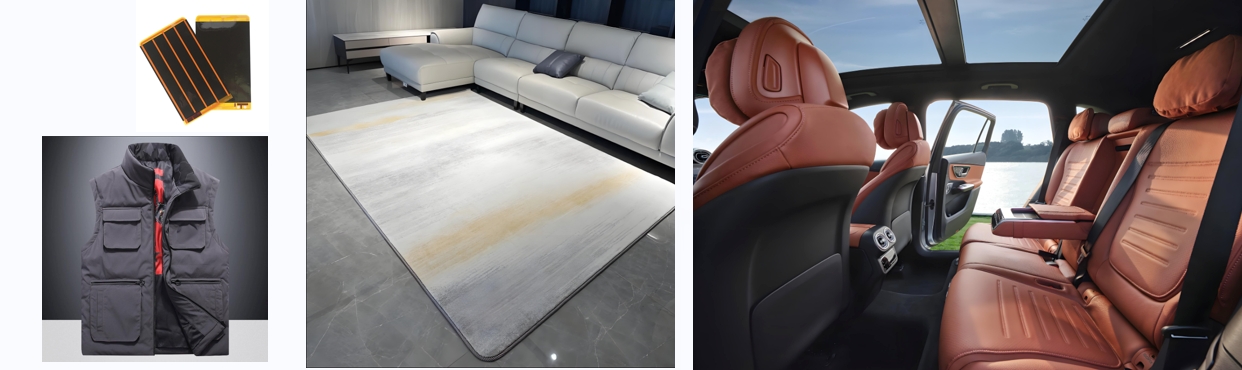
The heat of carbon film is mainly emitted by radiation, which is low-temperature radiation and has transmittance. The wavelength is 8.97 microns (graphene heating emits 8-15 micron far-infrared waves, the range of human body resonance waves is 3-15 microns, and the carbon-carbon bonds, carbon-hydrogen bonds, oxygen-hydrogen bonds, etc. in the cell molecules of human tissue can resonate under the action of graphene far-infrared waves). It is an infrared ray that is beneficial to human health and is called "life light wave" by scientists. It can be quickly absorbed by the human body, dilate microvessels, promote blood circulation and metabolism, enhance human immunity, and is very beneficial to health.
Energy battery electrodes
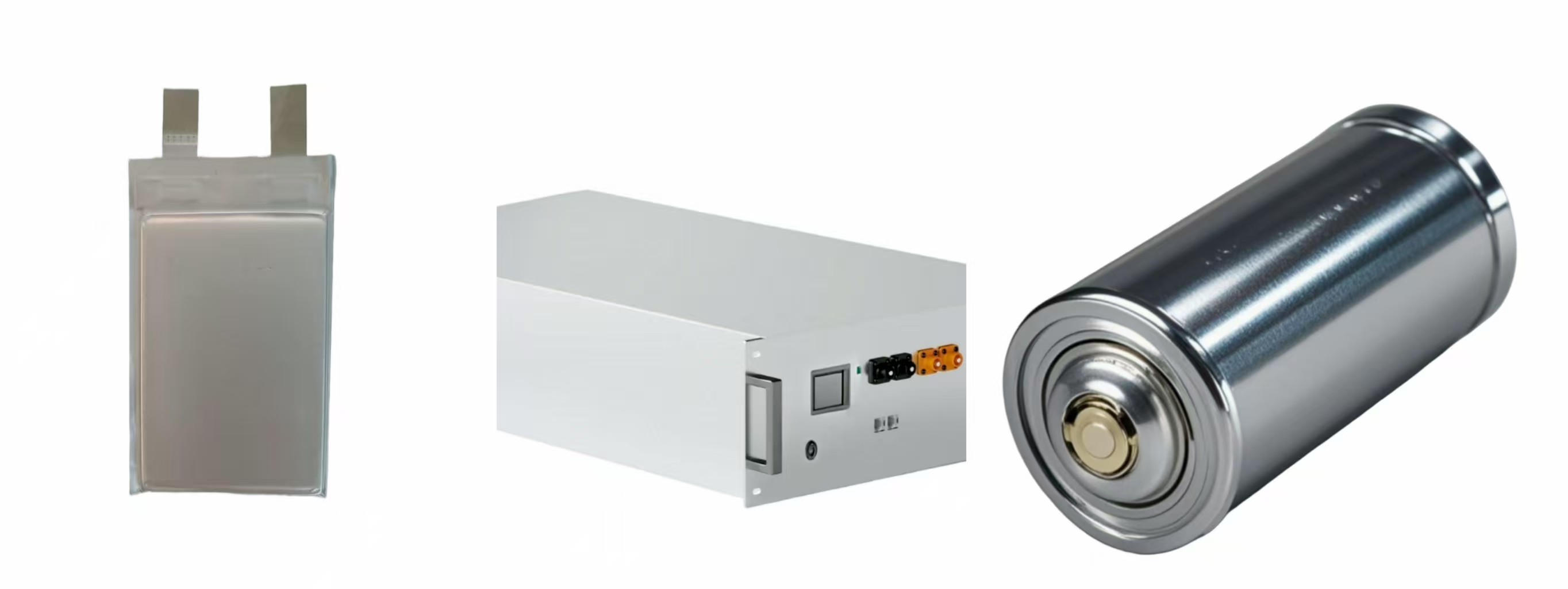
The core function of the PE separator is to physically isolate the positive and negative electrodes (to prevent short circuits), while allowing Li⁺ to freely shuttle through uniform micro-pores (with a pore size of 0.1-1μm), ensuring the charging and discharging efficiency.
Q: Does the conductivity of PI conductive film be affected by temperature?
A: There is a slight impact, but it is far lower than that of ordinary conductive materials. Within the wide temperature range of -200℃ to 260℃, the structure of the conductive layer is stable, and the change rate of surface resistance usually does not exceed 10%, which can meet the application requirements in most extreme environments.
Q: Can the size and conductivity of the PI conductive film be customized according to the requirements?
A: OK. In terms of size, the width (usually 5mm - 520mm), length (the longest length of the roll material can reach 500m) and thickness (the total thickness of the base material + the conductive layer is 5μm - 100μm) can be customized; in terms of conductive performance, by adjusting parameters such as the content of conductive fillers and the coating thickness.


