
- All
- Product Name
- Product Keyword
- Product Model
- Product Summary
- Product Description
- Multi Field Search

 |


| Quantity: | |
|---|---|
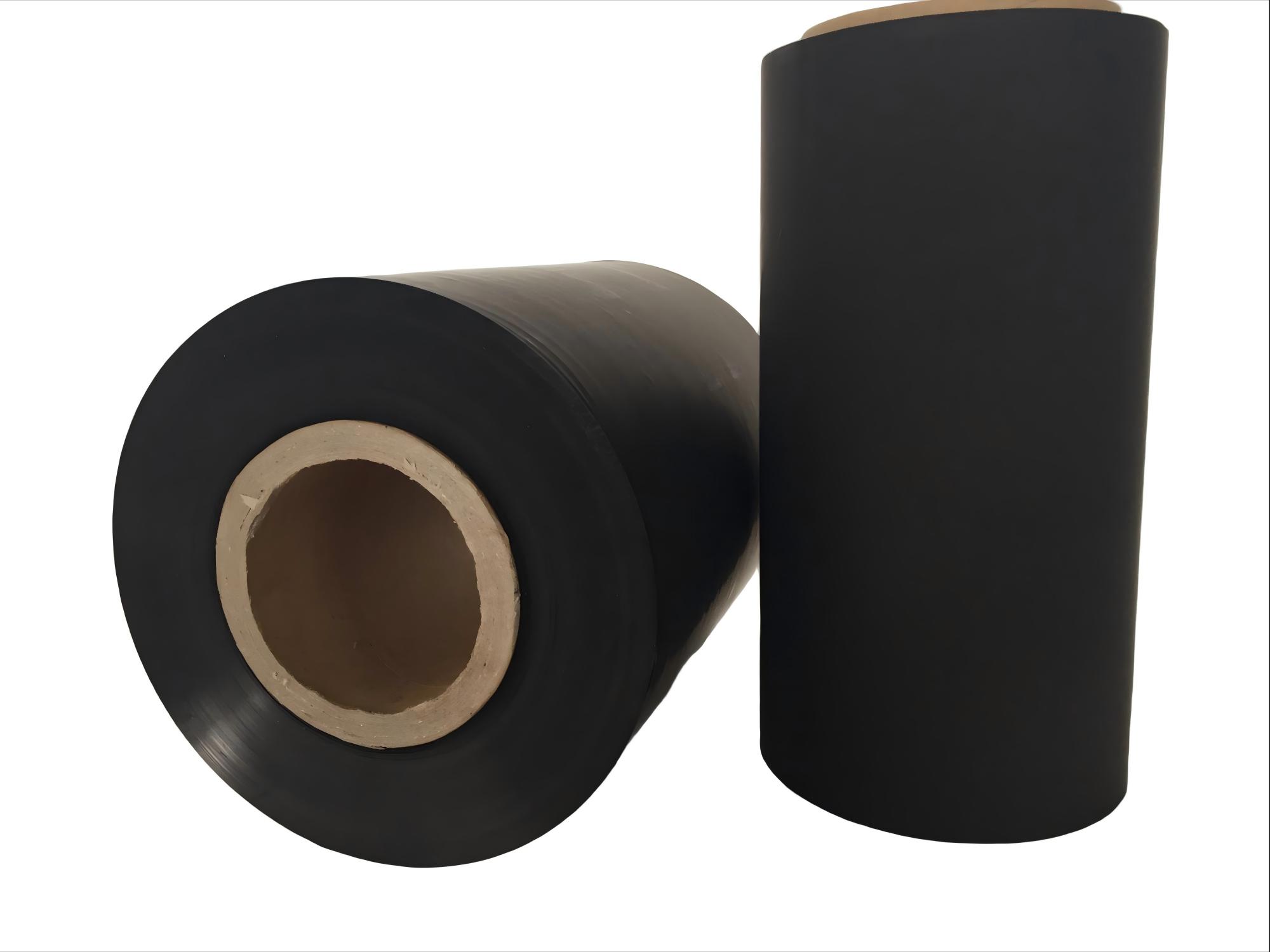
PE carbon conductive film, also known as carbon film or black conductive plastic film, is a composite material designed for industrial and commercial use. Its production process involves precise mixing of conductive fillers and base resins, followed by calendering to form a uniform film structure. The material’s properties can be adjusted by modifying the base material ratio to meet specific requirements such as waterproofing, rust prevention, fire resistance and enhanced ductility.
The film exhibits resistance to acids, alkalis, oils, heat, cold and oxidation. These properties contribute to a service life of over 50 years under normal operating conditions. It can withstand long-term exposure to harsh environments commonly found in aerospace, petrochemical and industrial settings.
The film provides consistent double-sided conduction. Its general square resistance ranges from 60 to 50,000 Ω/□. Different conductive effects can be achieved by adjusting the proportion of conductive materials in the formulation, allowing it to adapt to various electrical requirements.
The material contains no harmful substances and has passed the EU RoHS halogen-free directive. This compliance makes it suitable for use in medical and physiotherapy products that come into direct contact with human skin.
When used in heating applications, the film emits heat primarily through low-temperature radiation with a wavelength of 8.97 microns. This wavelength falls within the 3-15 micron range of human body resonance waves, allowing the radiation to be quickly absorbed by human tissue.
General Square Resistance (Ω/□) | Thickness (μm) | Width (mm) | Length (m) | Operating Temperature Range (℃) | Extreme Temperature Resistance (℃) |
60-50,000 | 40-400 | 5-1000 | 50-500 | -70-90 | -100-120 |
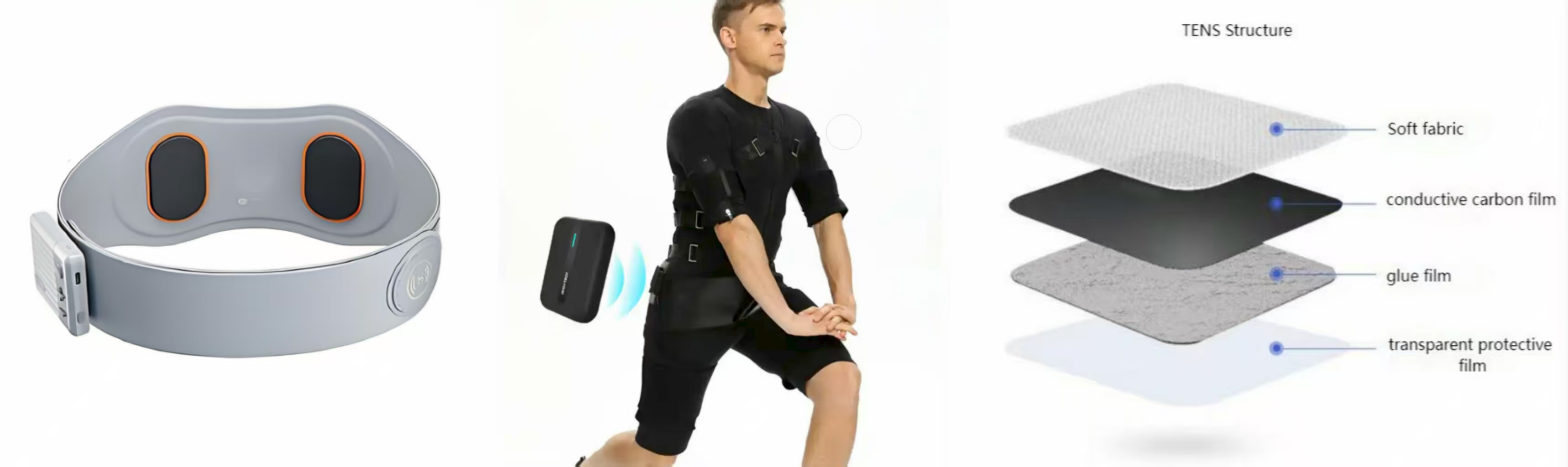
The film is used in various examination, treatment and monitoring medical electrode products, including ECG electrodes. It is also applied to beauty, health care and rehabilitation physiotherapy electrode products, as well as fitness patch electrodes. Its soft and conformable nature ensures comfortable contact with skin.
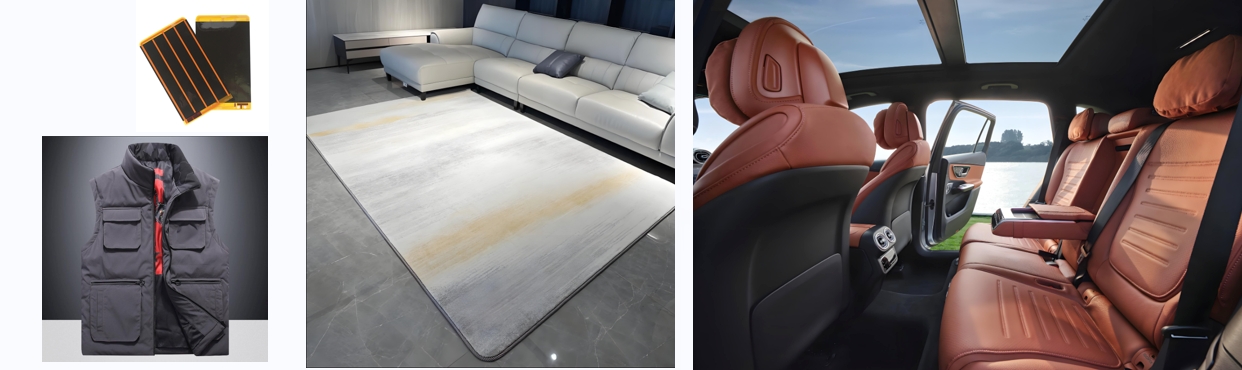
It is suitable for various low-temperature electric heating applications such as surface heating, thermal insulation, heating and defogging. The far-infrared radiation emitted during heating provides additional benefits for human health in physiotherapy heating products.
The film is used in electromagnetic shielding products for electrical appliances, cables, aerospace and petrochemical industries, helping to reduce electromagnetic interference in sensitive equipment.
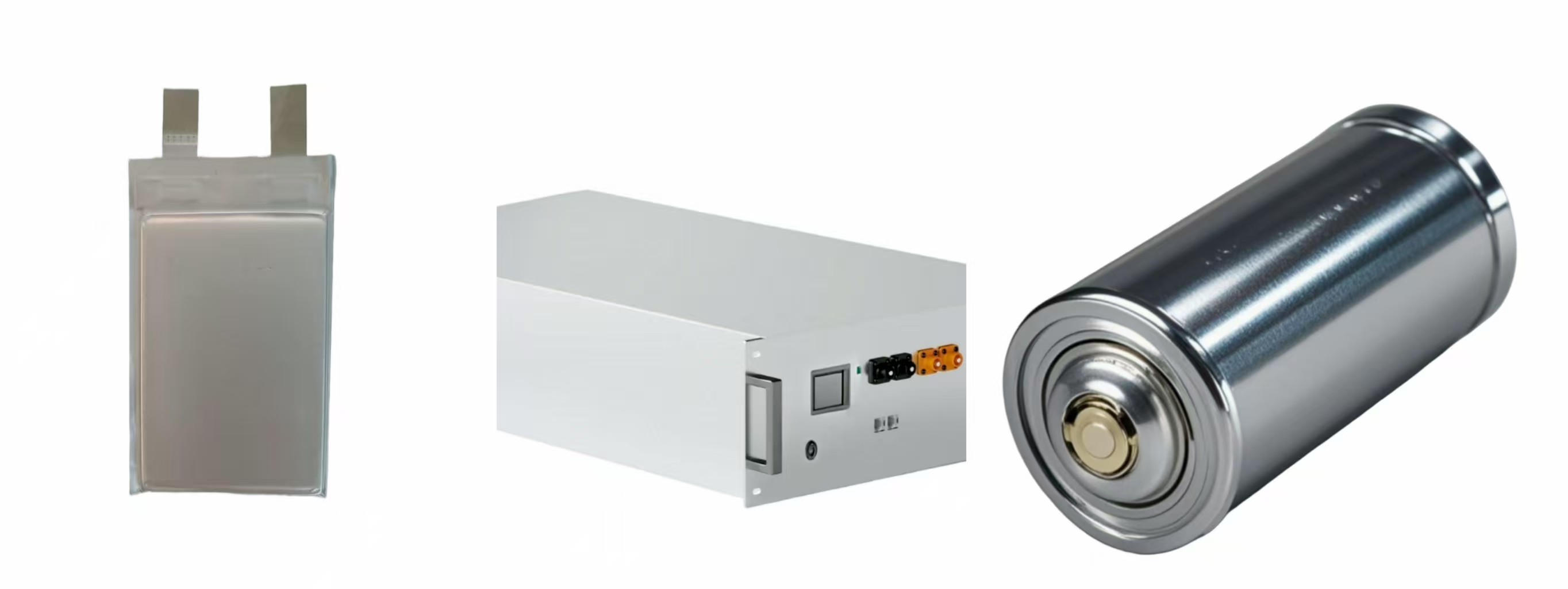
It is also applied to patch electrodes, pressure-sensitive circuits, various flexible electrode products and energy battery separators. As a battery separator, it physically isolates positive and negative electrodes to prevent short circuits while allowing Li⁺ to shuttle through uniform micro-pores with a size of 0.1-1μm.
Resistance, square resistance, width and length of the film can be customized according to specific application requirements. The manufacturer has extensive experience in the production and application of carbon conductive films across various fields, and can provide tailored solutions for different commercial procurement needs.
Under normal operating conditions, the film has a service life of over 50 years, due to its resistance to oxidation, acids, alkalis and extreme temperatures.
Yes, the PE carbon conductive film has passed the EU RoHS halogen-free directive and contains no harmful substances.
Yes, the film can be customized in terms of resistance, square resistance, width and length to meet specific application needs.
The film can operate normally within a temperature range of -70℃ to 90℃, and can withstand extreme temperatures from -100℃ to 120℃ for short periods.


